
How shot selection affects budget, schedule, and storytelling in commercial production
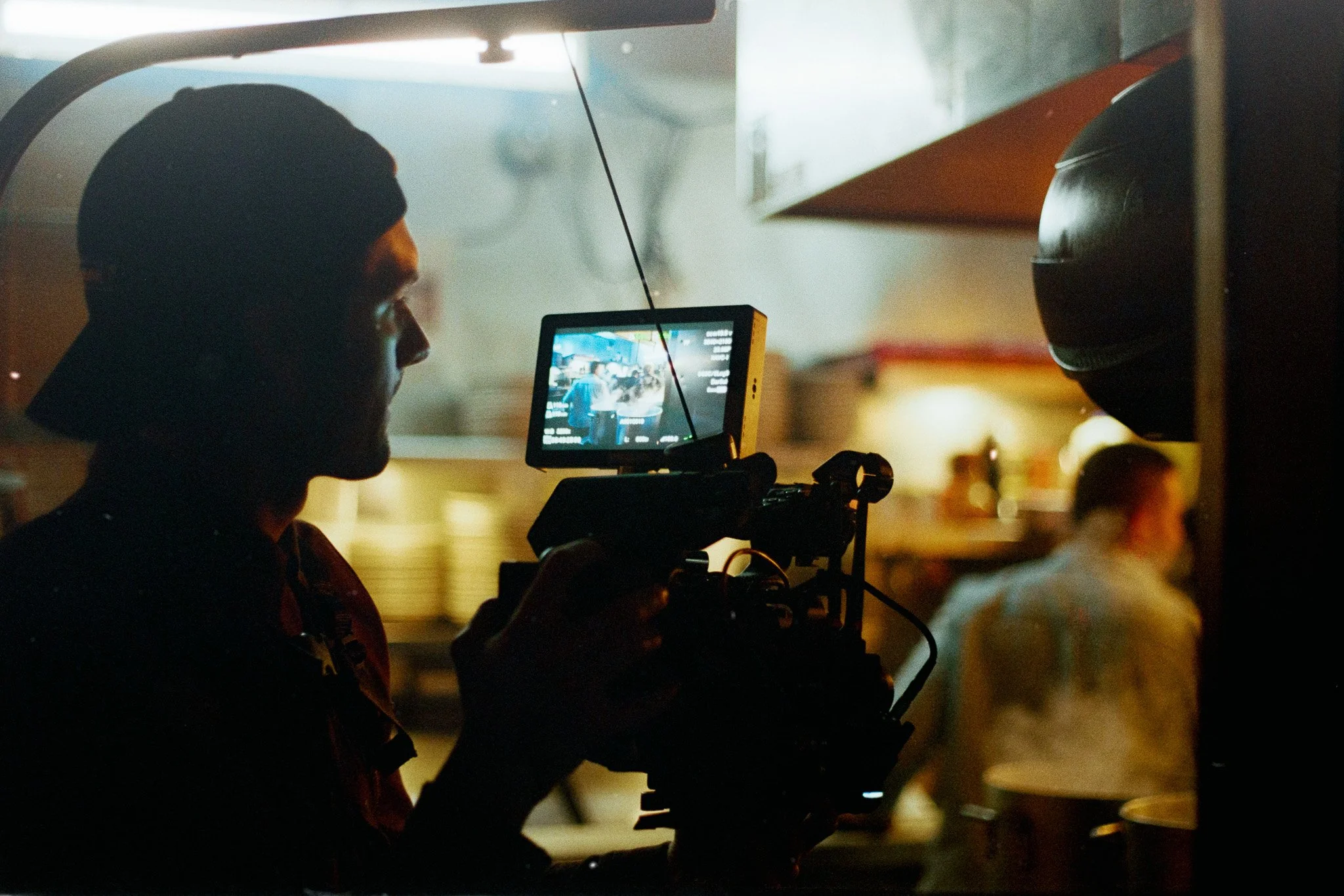
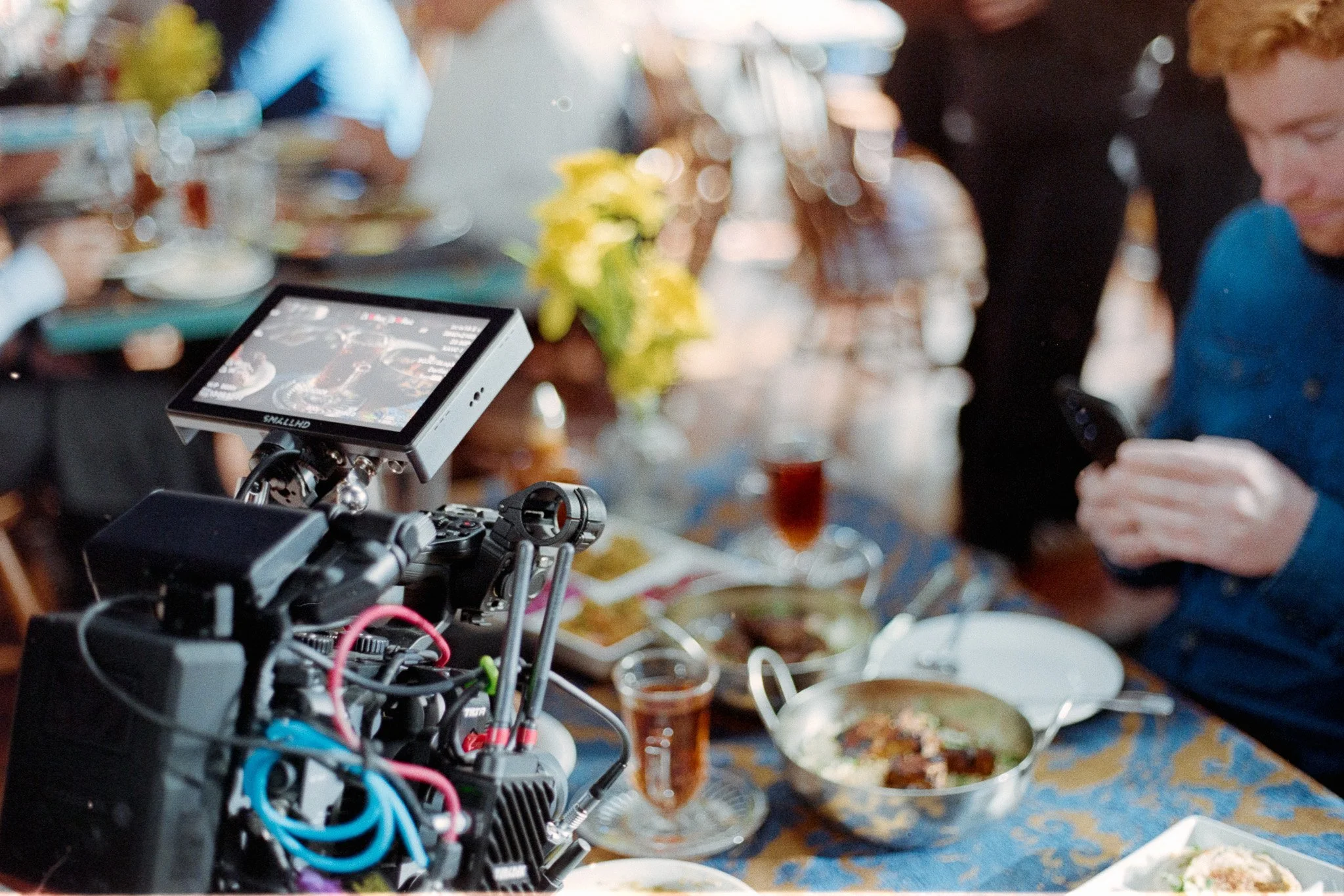
In commercial video production, every shot affects your budget, shooting schedule, and ability to tell a strong story.
The reality of filmmaking is simple: time is one of the most expensive resources on set. Budgets can sometimes expand, but schedules rarely do. Every lighting setup, camera movement, and lens change costs valuable minutes throughout the day.
At Honeybee Films, we approach commercial production in Portland, Oregon with one goal in mind: creating intentional imagery that serves the narrative without slowing down the production unnecessarily.
One of the biggest lessons in filmmaking is understanding that not every beautiful shot belongs in the final schedule.
Why Shot Selection Matters in Commercial Filmmaking
The commercial world constantly pushes cinematic, eye-catching imagery. Social media is filled with overhead shots, complex camera rigs, and highly stylized visuals that look impressive in a reel.
But great commercial filmmaking is not about adding shots simply because they look cool. Every shot should strengthen the narrative, support the pacing of production, and justify the time it takes to execute.
When planning a commercial shoot, producers and directors are constantly balancing three things:
Story
Time
Budget
Strong productions happen when all three work together.
The Hidden Cost of a Single Shot
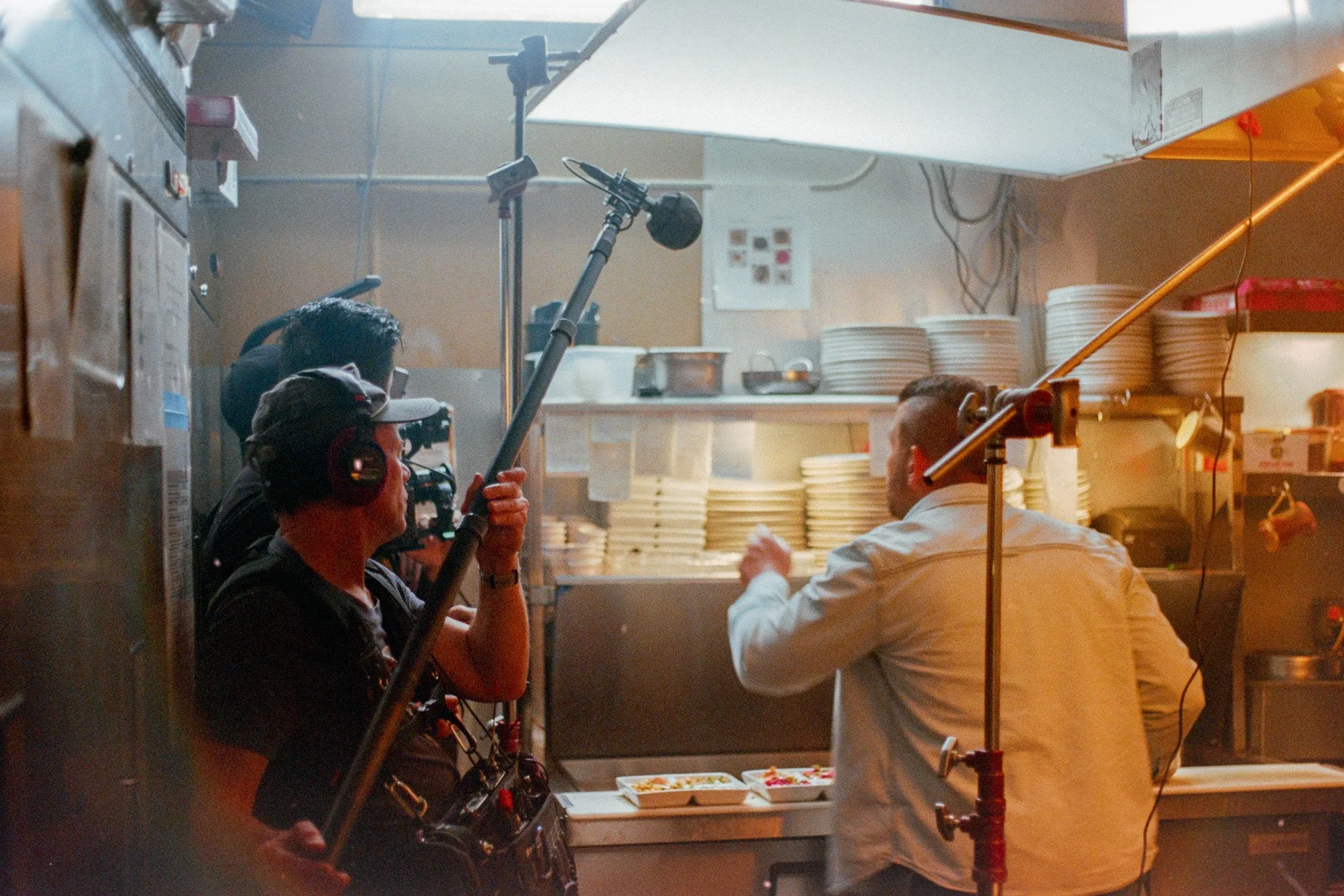
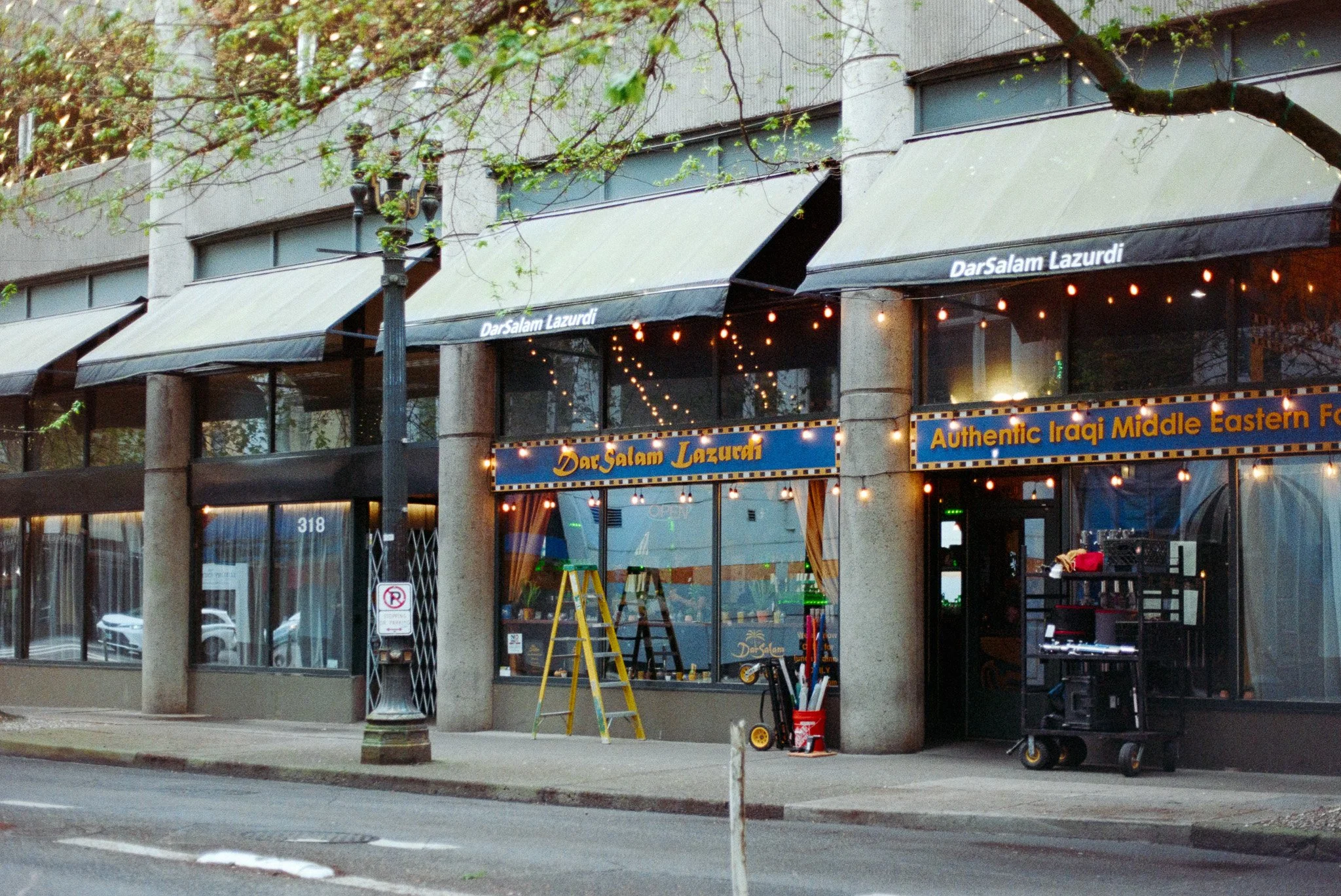
During our recent commercial with Downtown PDX, there was one shot we ultimately decided to remove from the schedule.
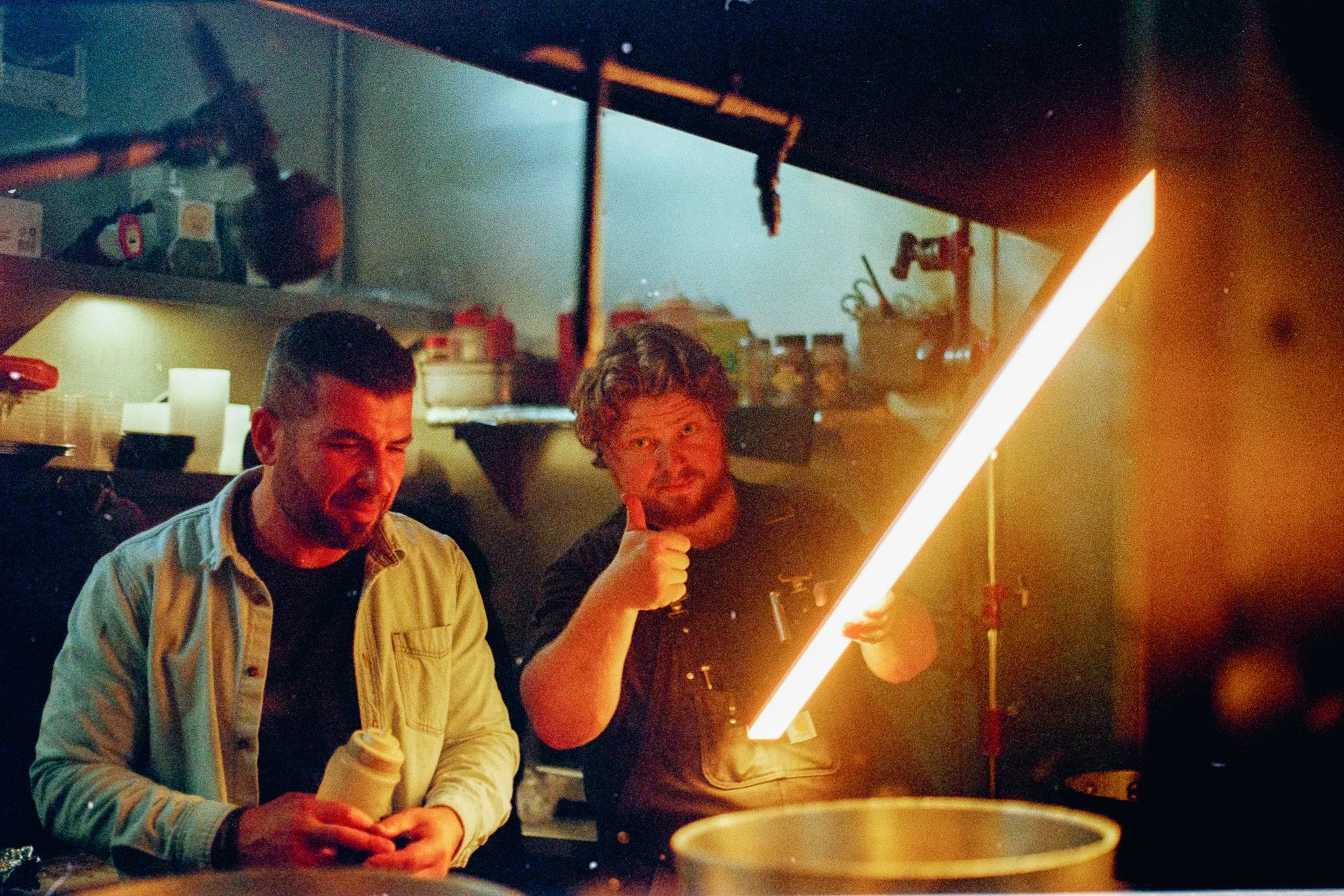
The original idea was an overhead angle of Ghaith preparing food in the kitchen. Visually, it would have looked cinematic and polished.
But after evaluating the production schedule, we realized that single shot would have required nearly 30 minutes of setup time for only a few seconds of footage.
To execute the shot properly, our G&E team would have needed to:
Build an overhead rig
Remove the existing lighting setup
Reconfigure the camera package
Reset the kitchen environment entirely
For one shot, we would have sacrificed valuable production time that could be better spent capturing moments more important to the story itself.
This is where production strategy becomes just as important as creativity.
Story First, Not Flash
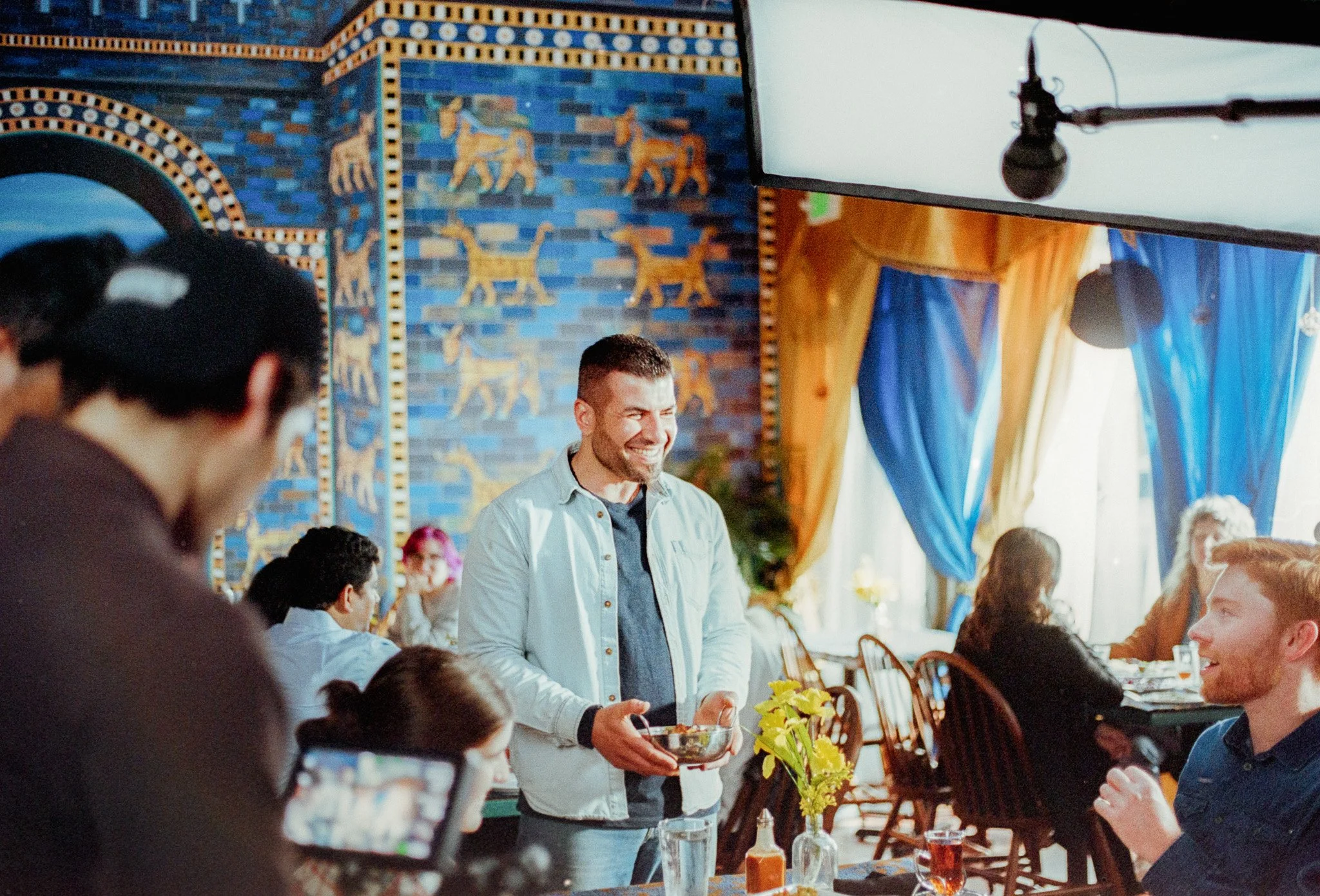
Ghaith’s story is about moving to Portland during the Iraq War and building a business through the support of community.
An overhead kitchen shot may have looked visually impressive, but it would not have deepened the emotional narrative of the commercial. Simpler coverage communicated the feeling more honestly and efficiently.
As directors and producers, part of our responsibility is learning how to protect the story from unnecessary complexity.
Not every cinematic shot improves the final film.
Sometimes the strongest decision you can make on set is simplifying the approach.
Commercial Production Requires Intentional Planning
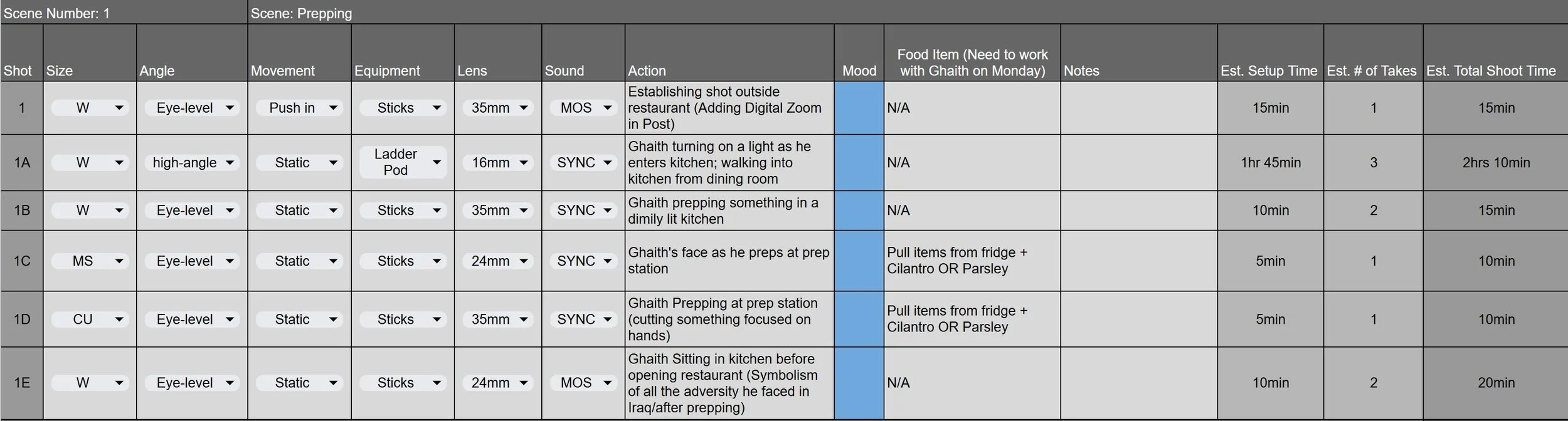
For this particular kitchen scene, we had two total hours scheduled to capture five separate shots.
Out of those two hours, nearly 80 minutes were dedicated purely to lighting and camera setup. That left roughly 40 minutes of actual shooting time.
This is the reality of commercial production. Strong imagery takes patience, preparation, and collaboration between every department on set.
When audiences watch a finished commercial, they often only see the final 30 or 60 seconds. What they do not see is the amount of production planning required behind every frame.
That is why pre-production matters so heavily in filmmaking.
We cannot approach these projects aimlessly. Every setup must justify its place within the schedule and within the narrative itself.
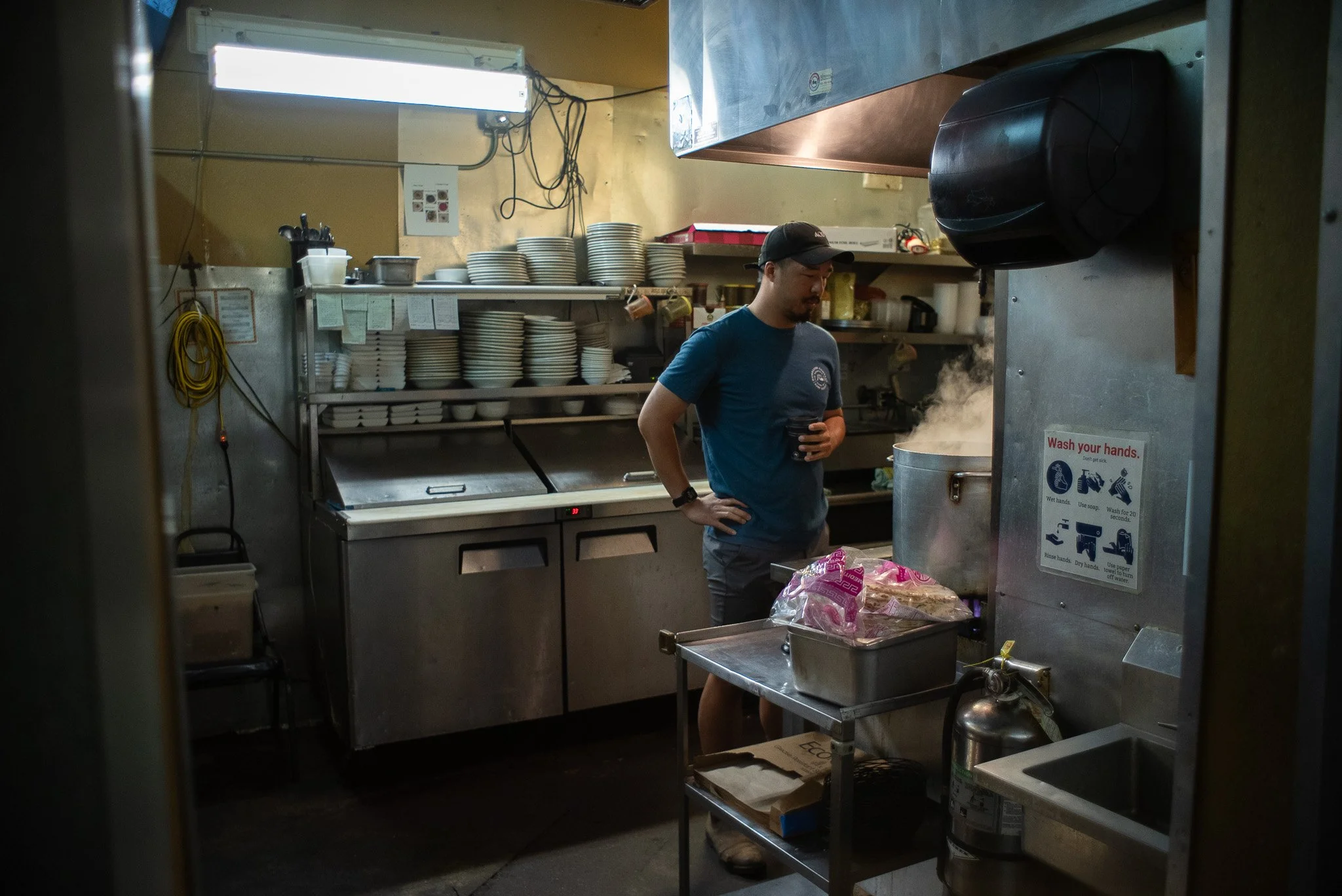
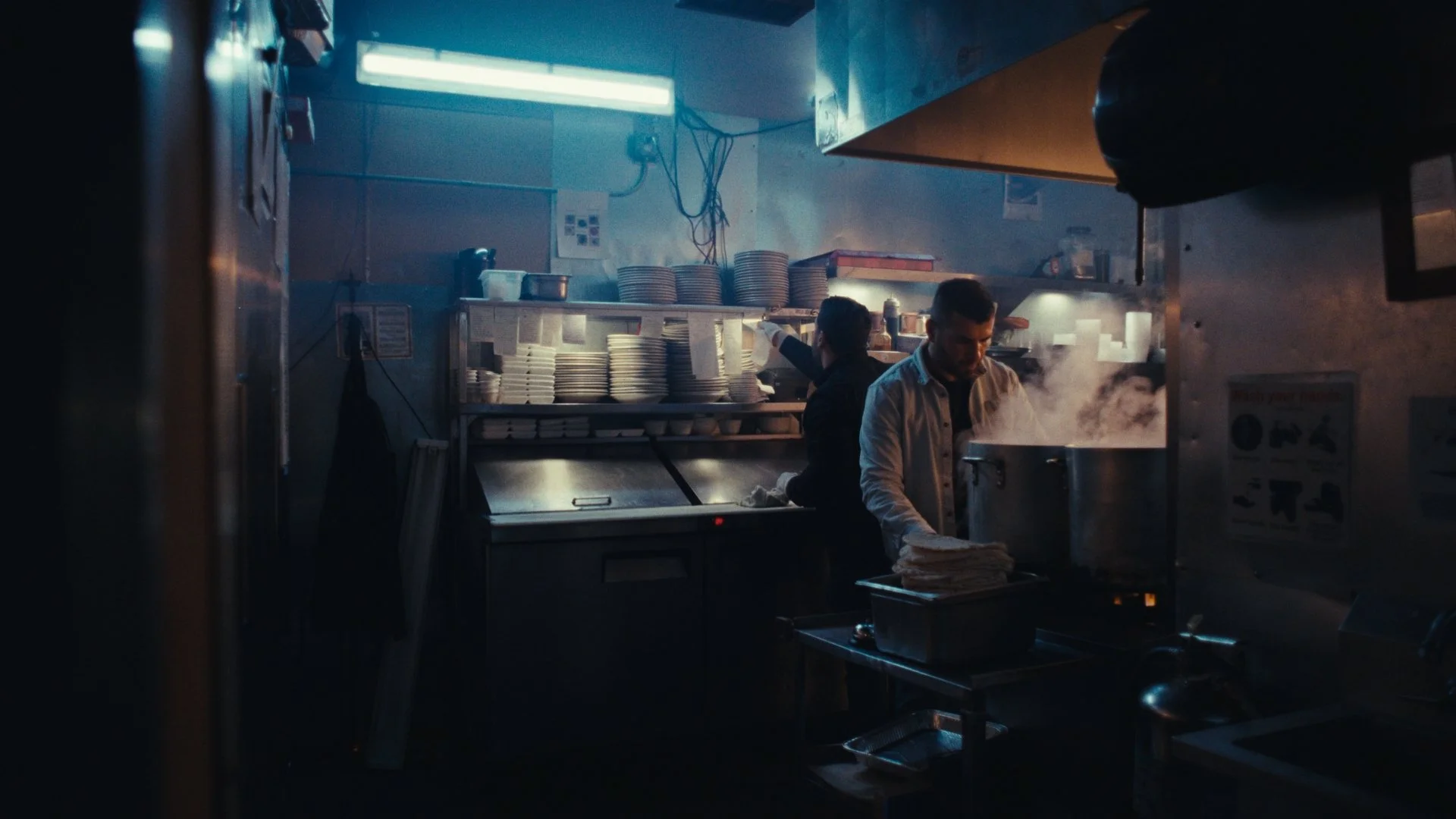
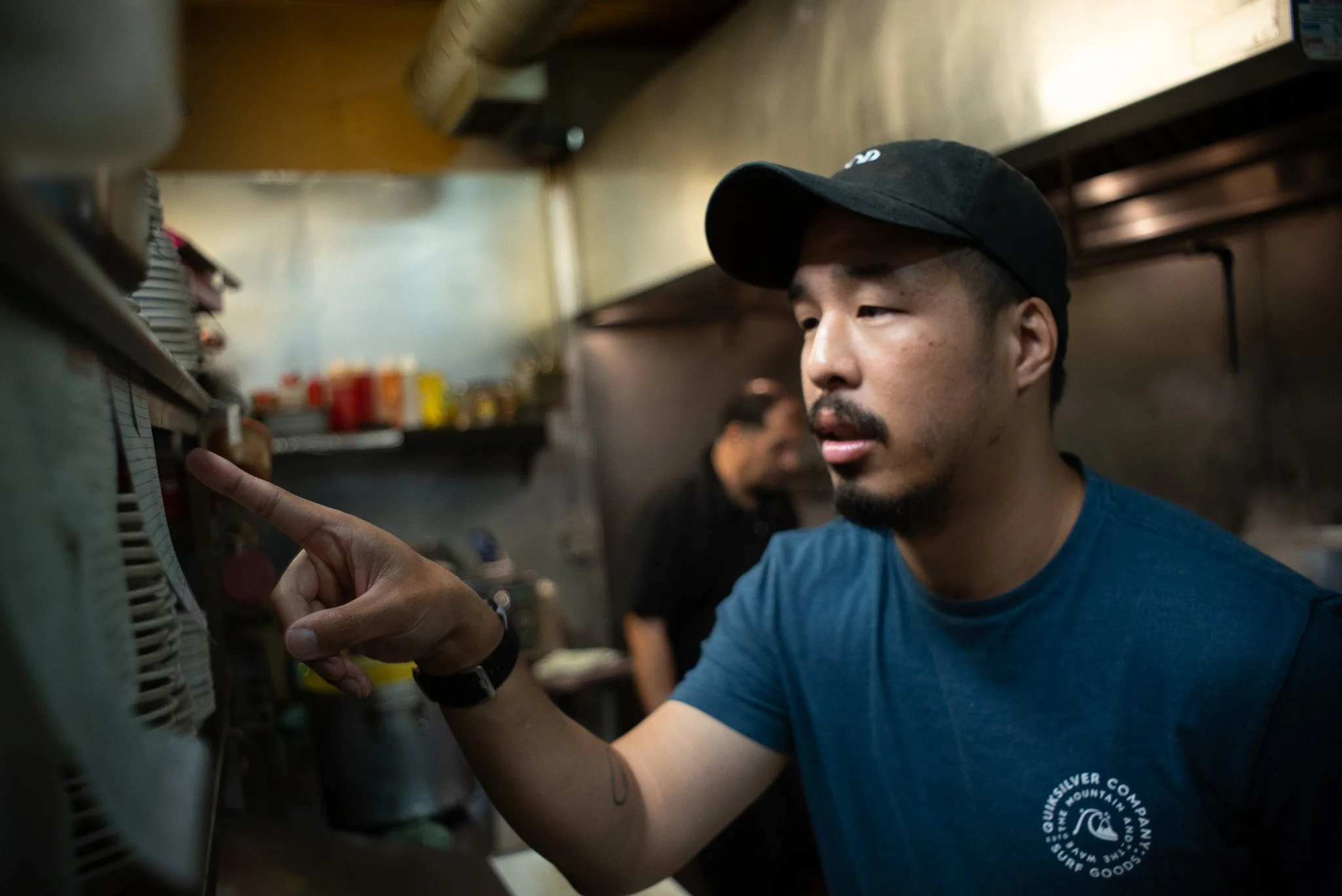
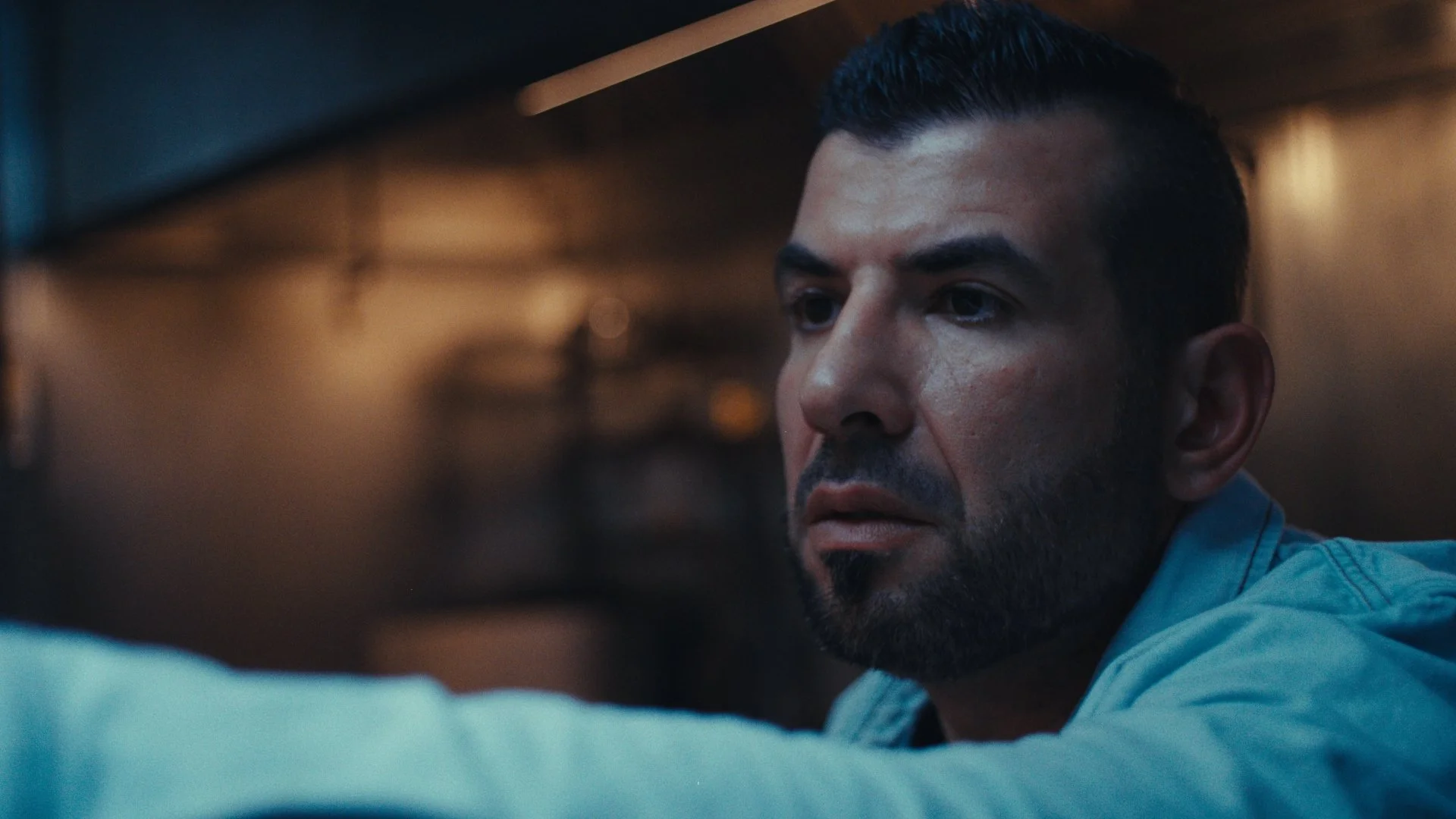
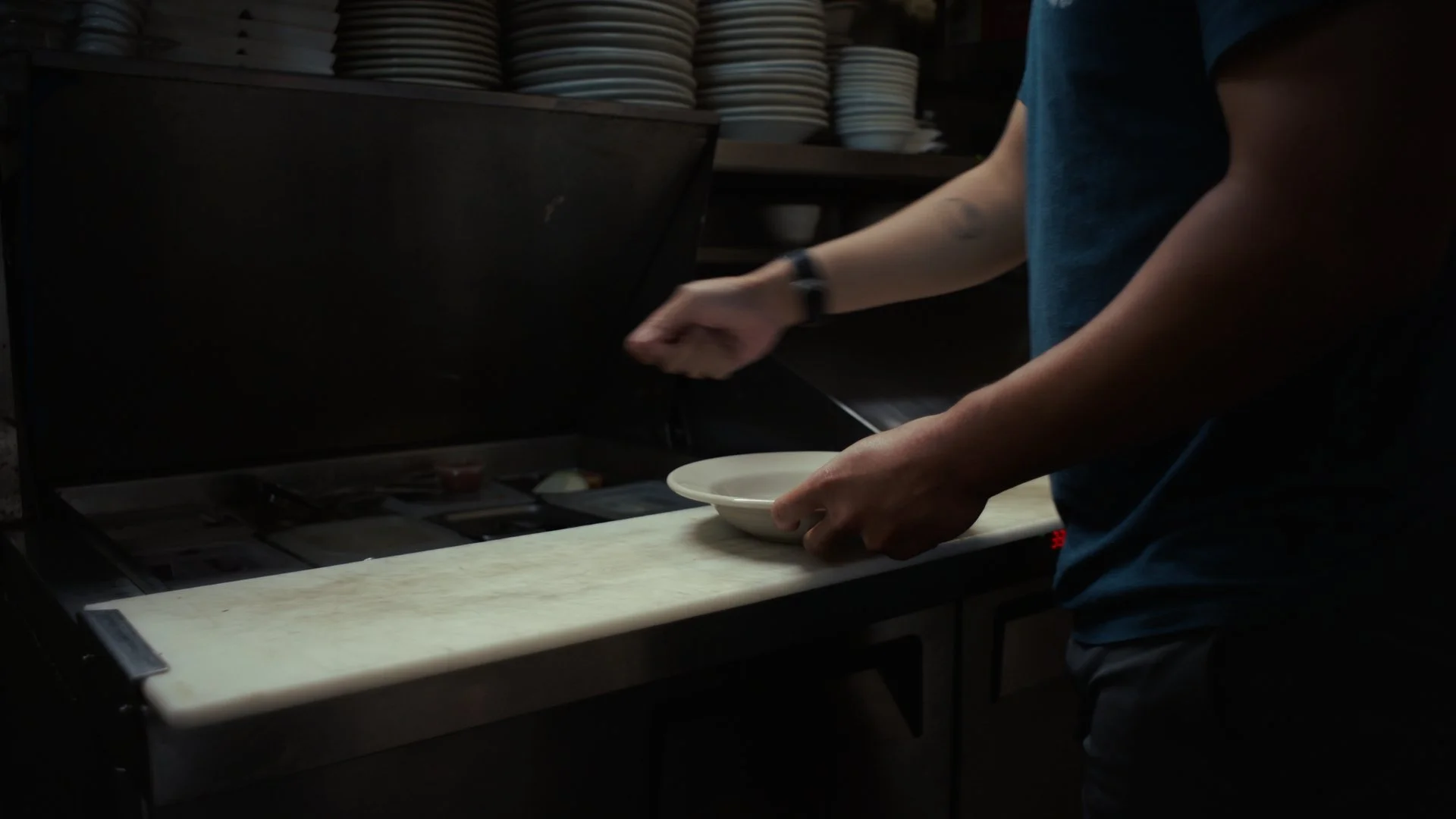
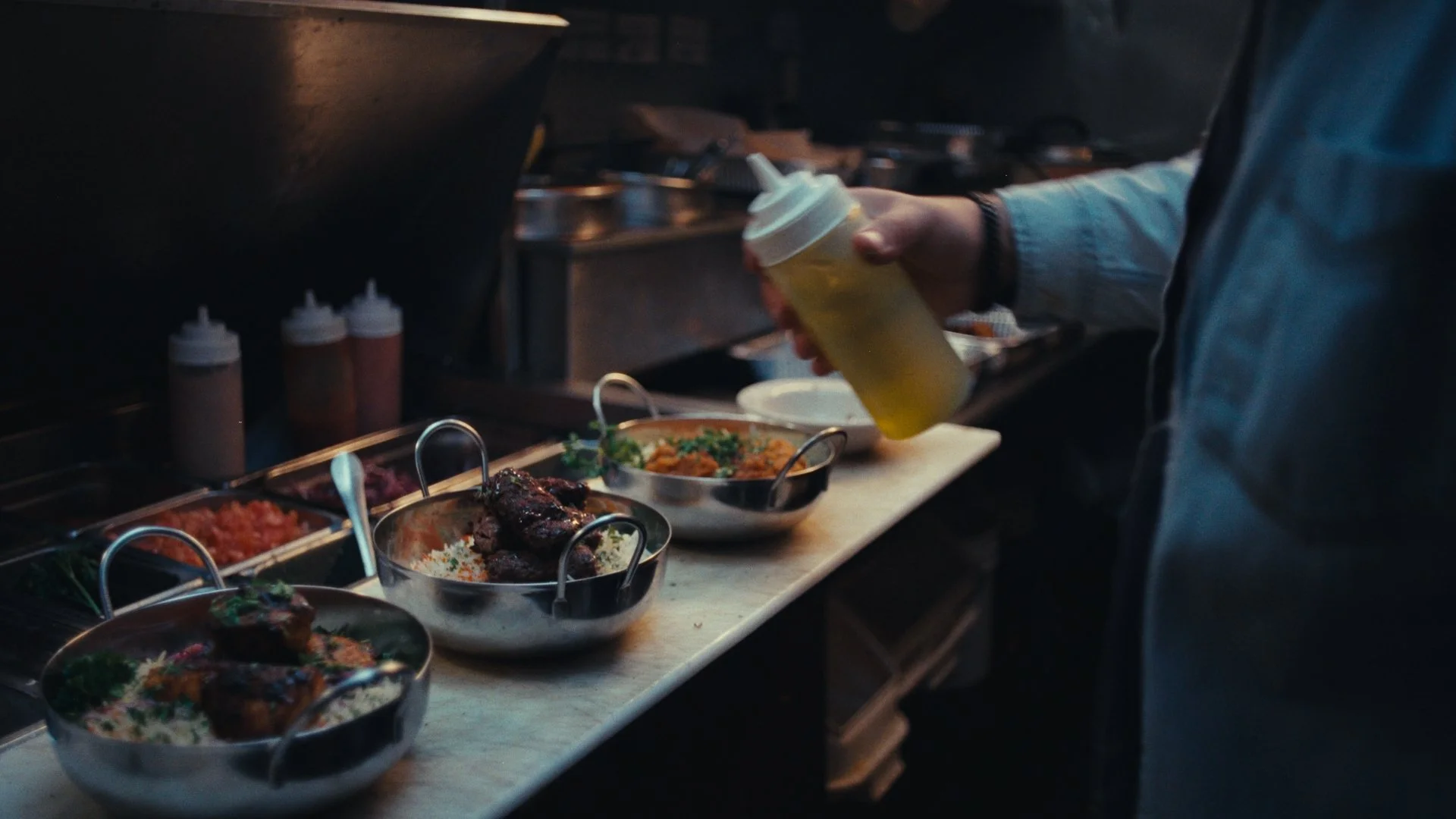
Before & After: From Shot Ideas to Final Frames
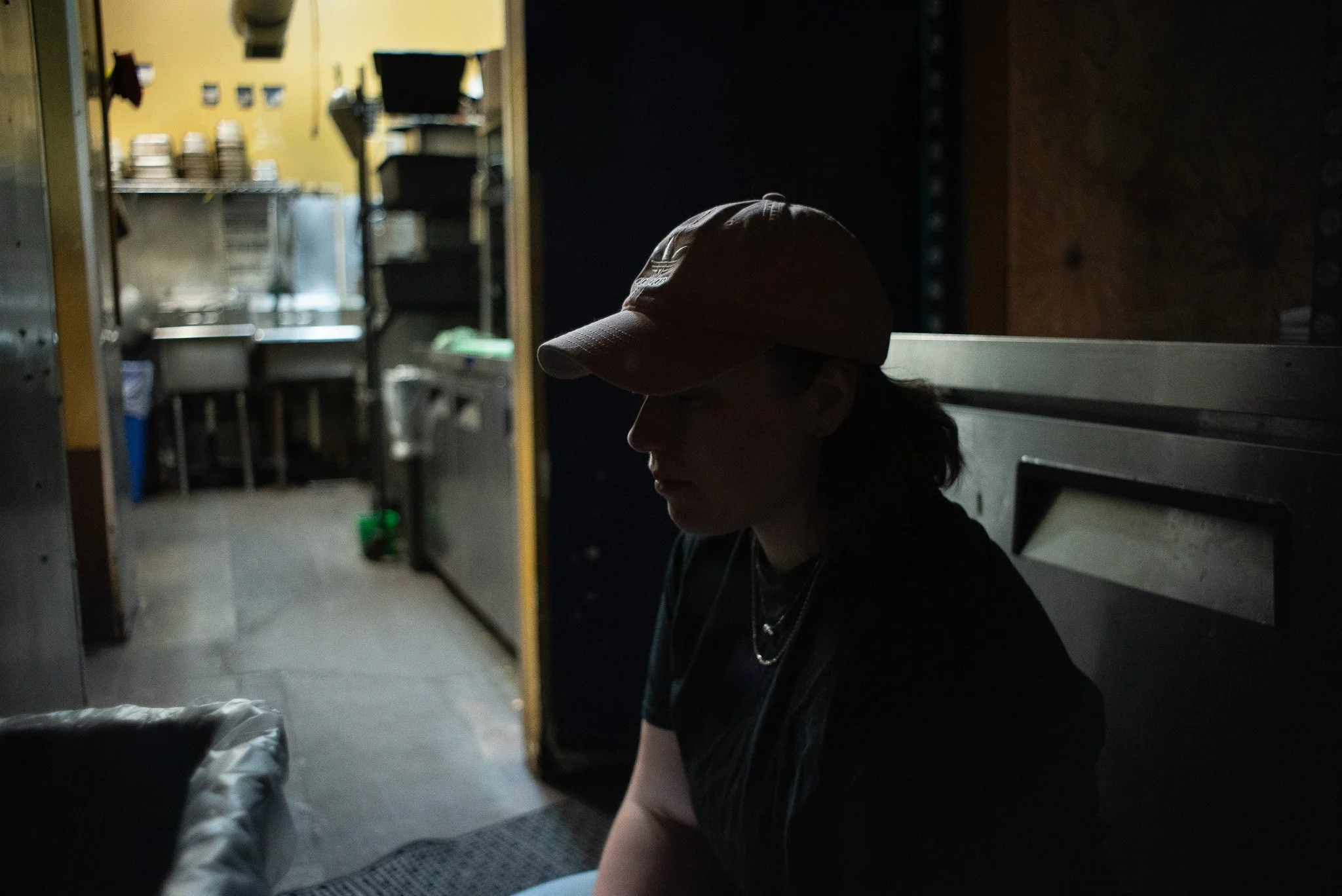
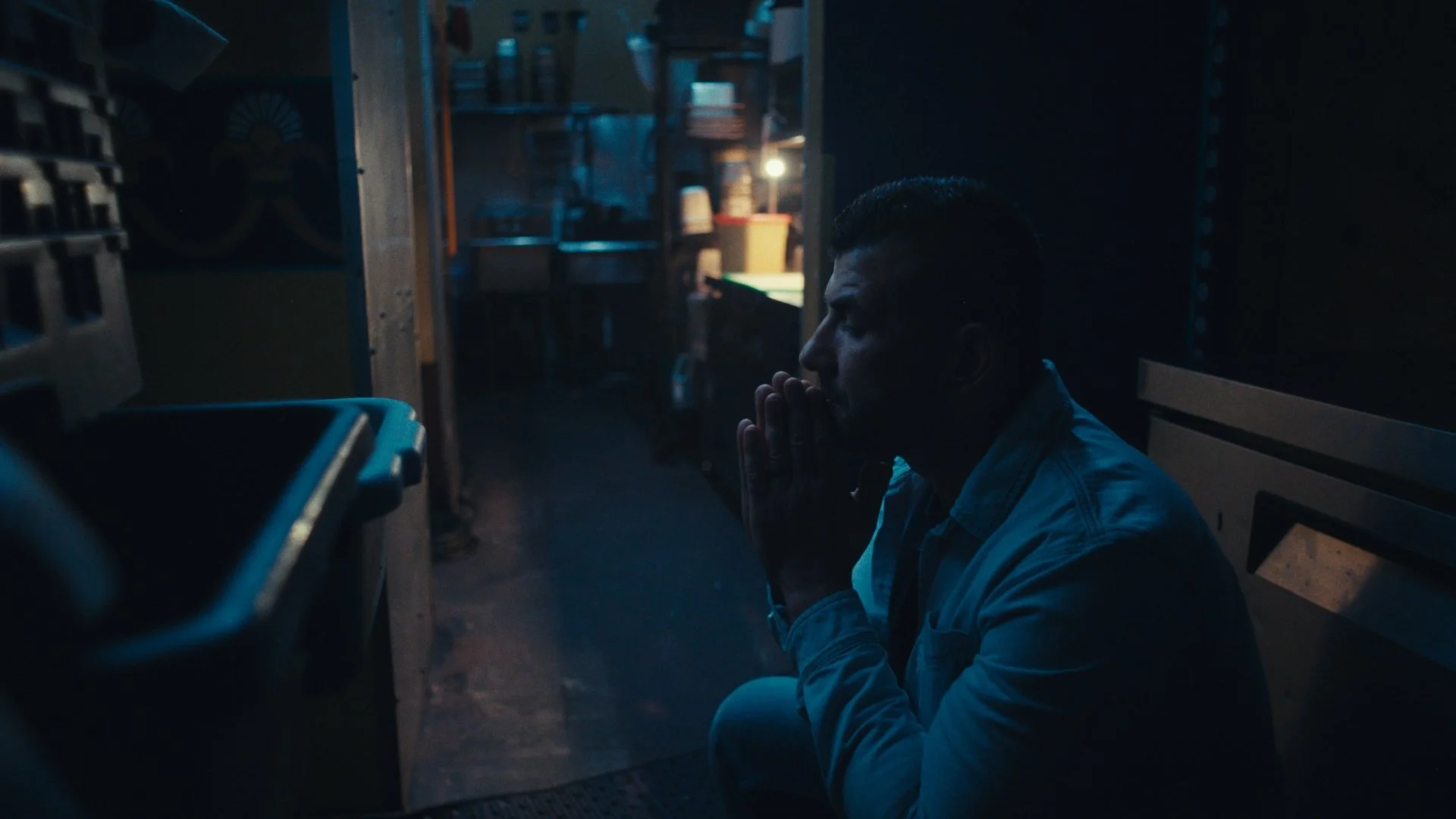
One of my favorite parts of this project was seeing how our original shot ideas evolved into the final commercial.
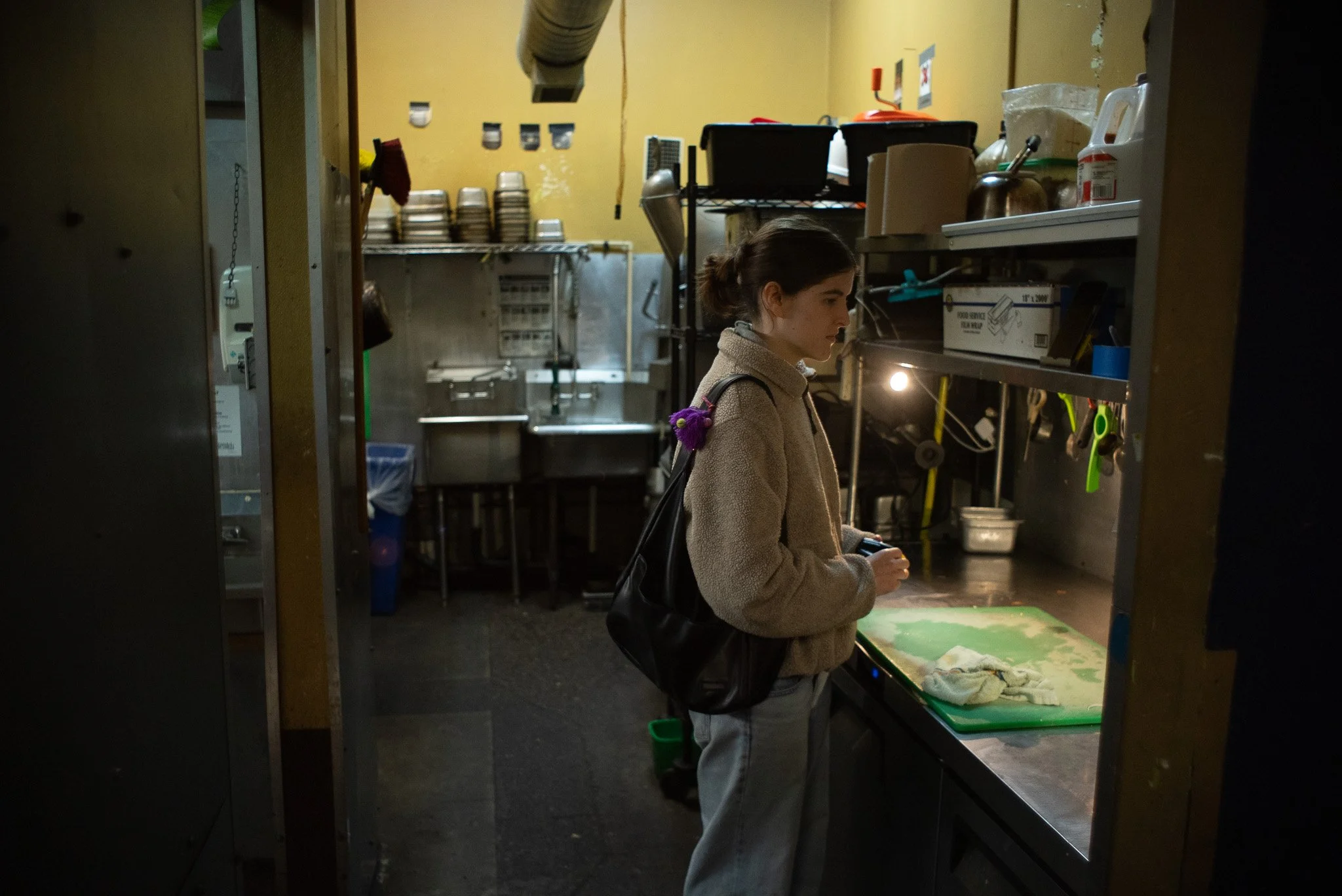
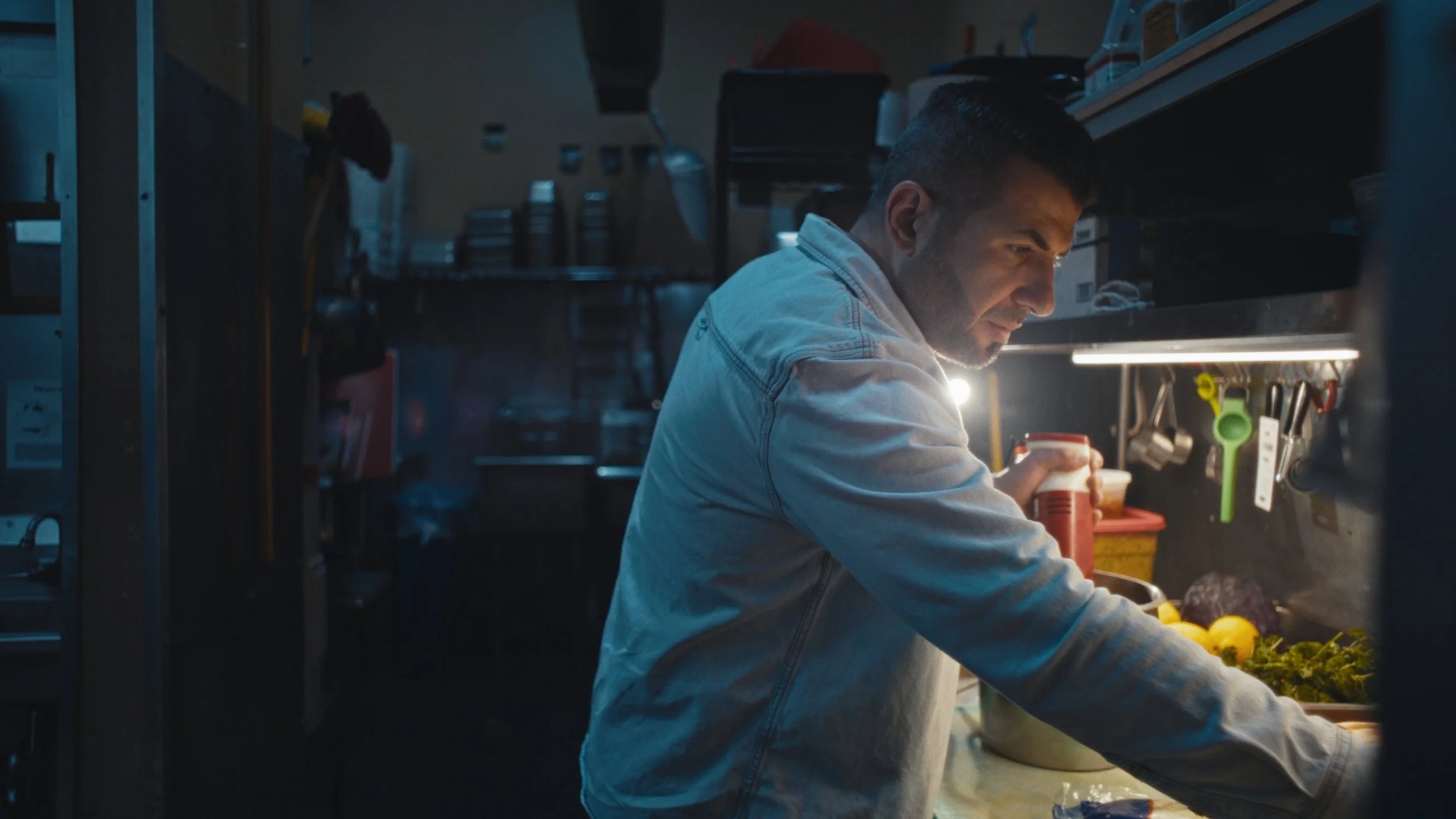
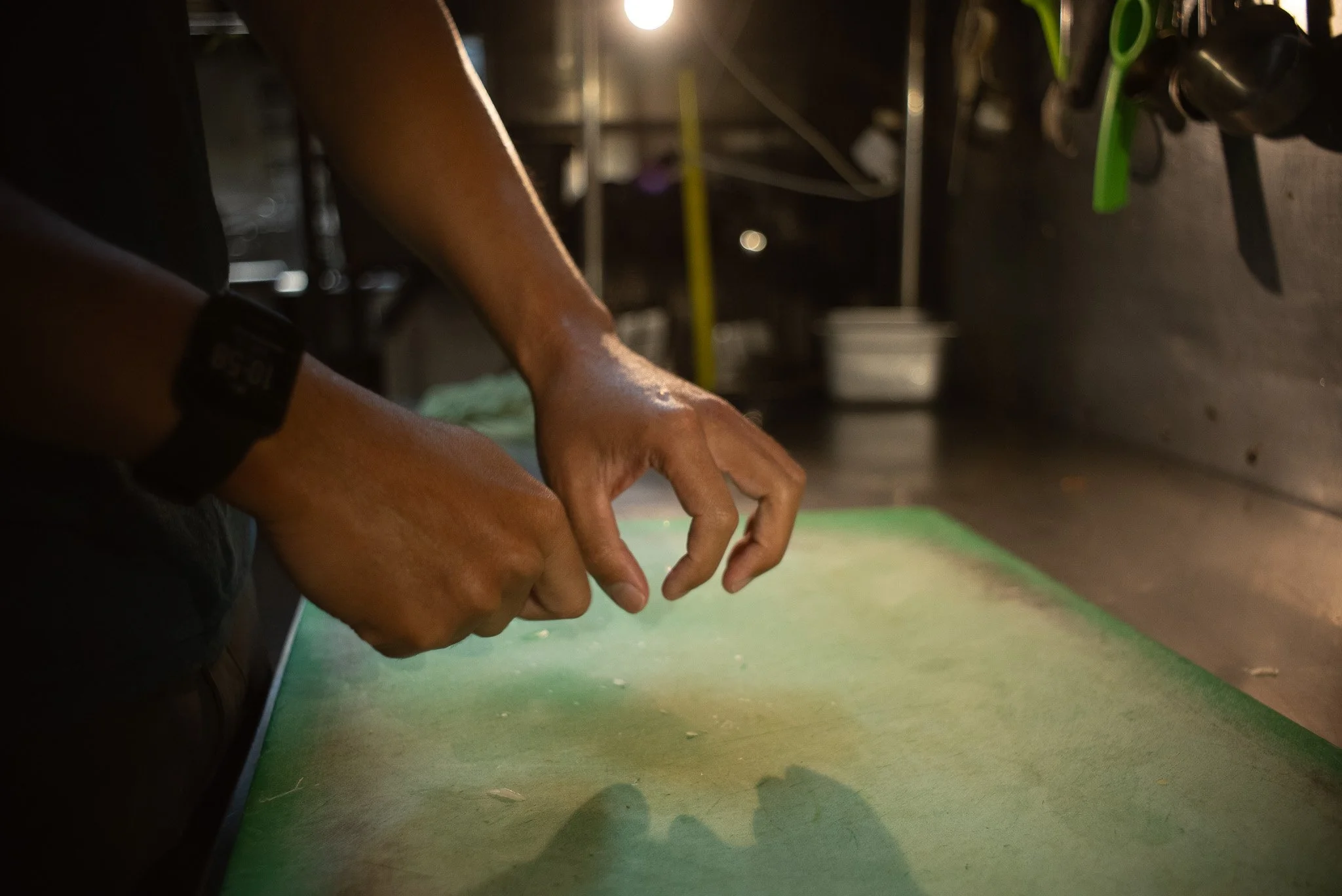
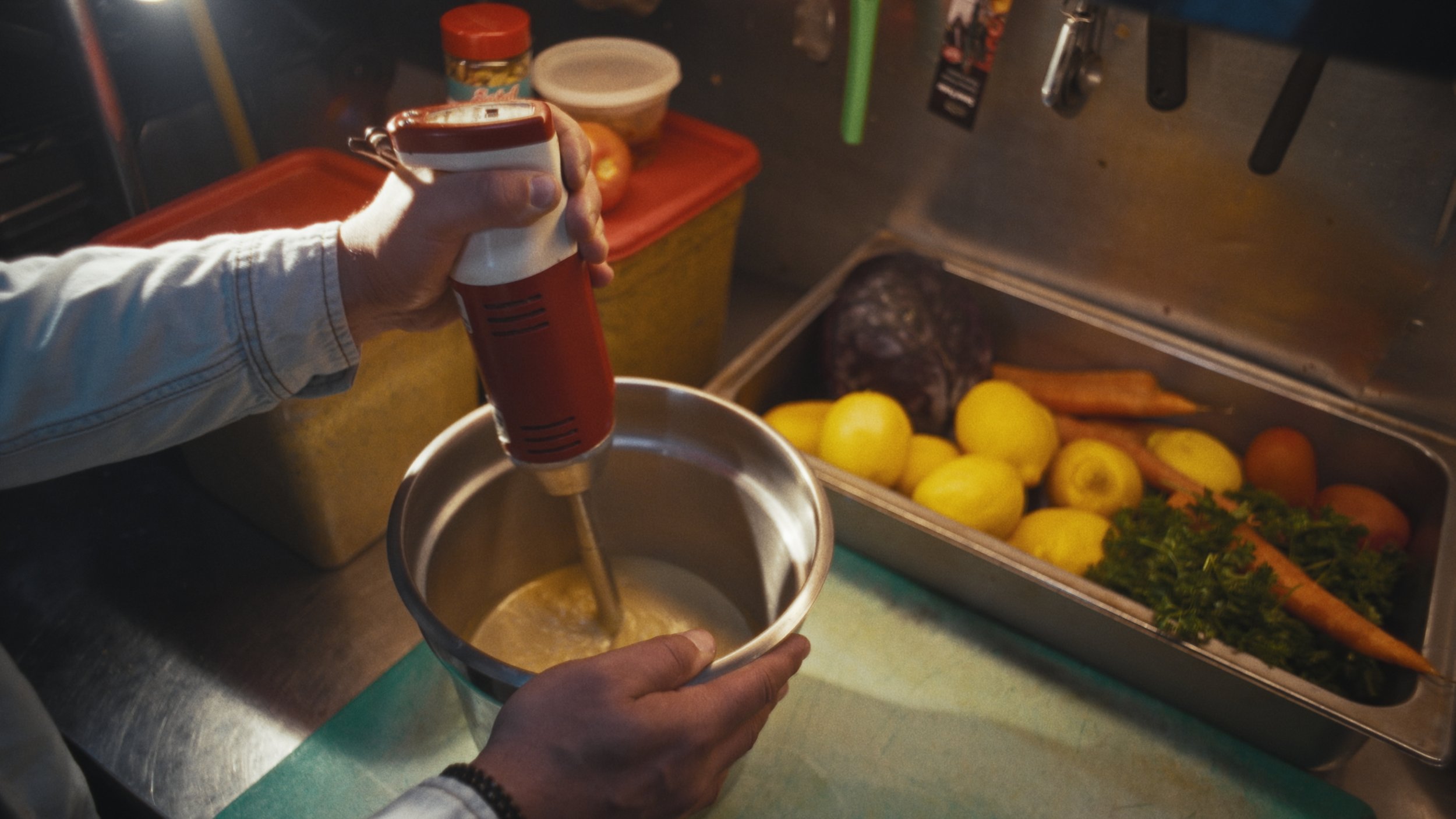
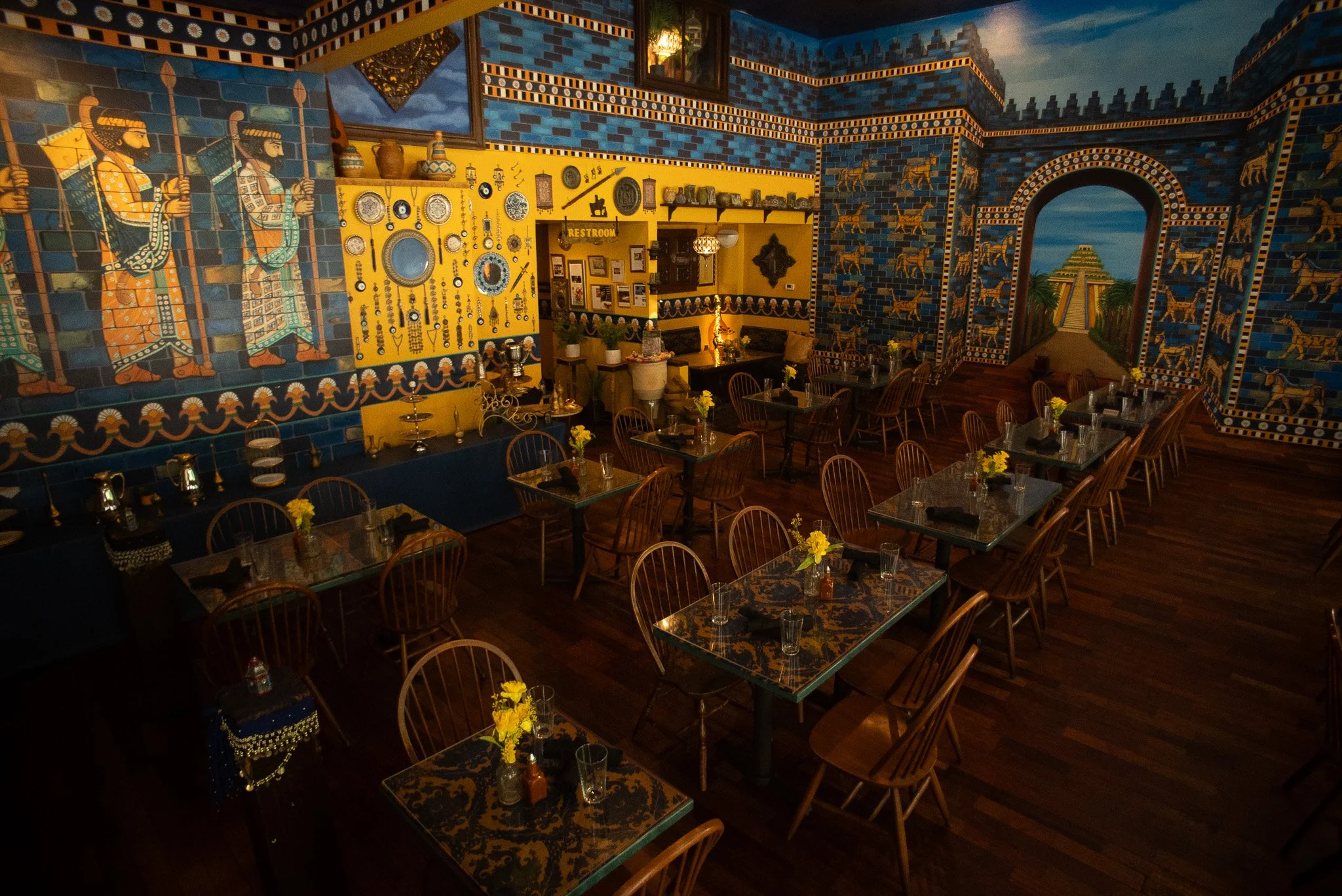
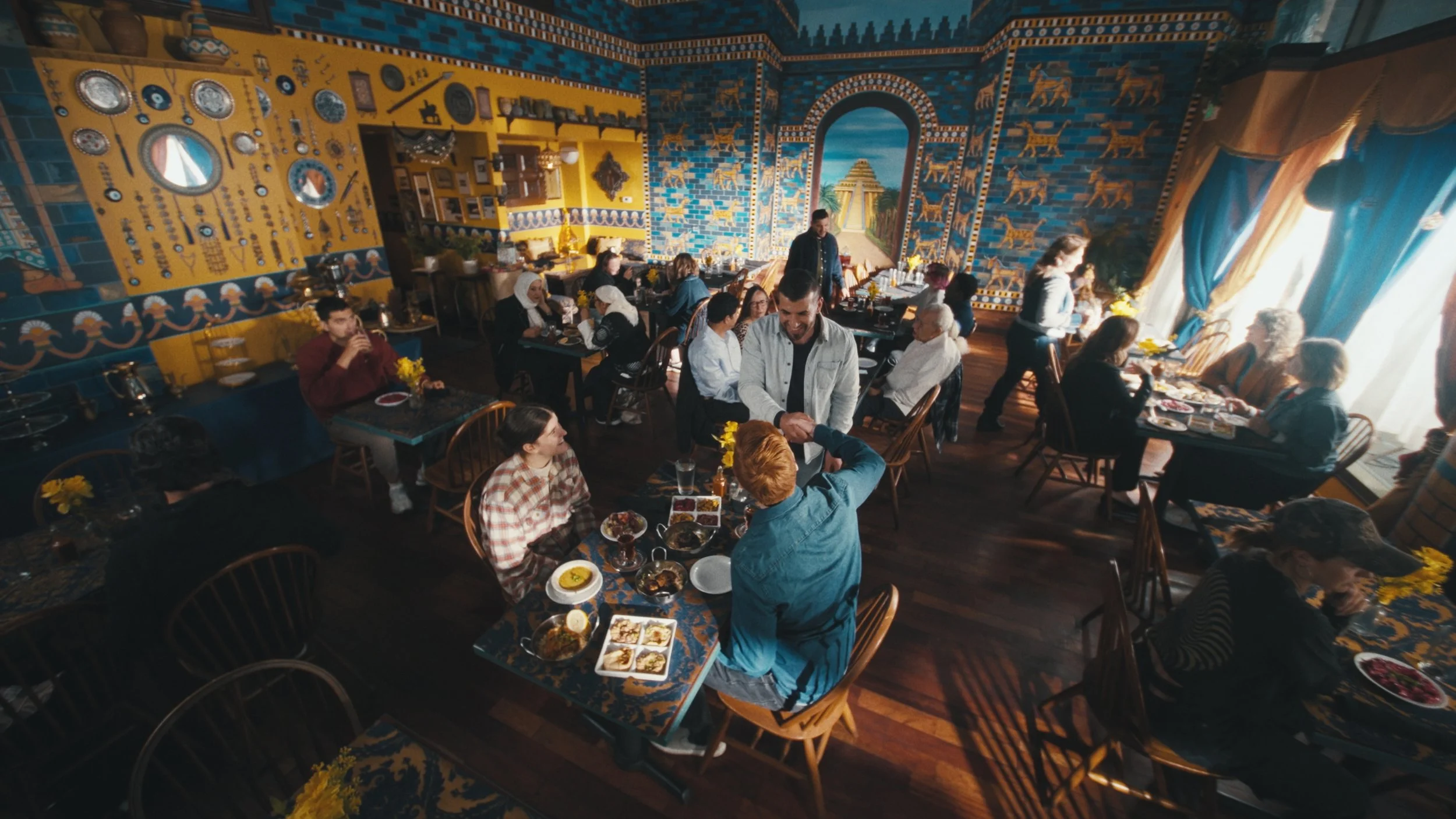
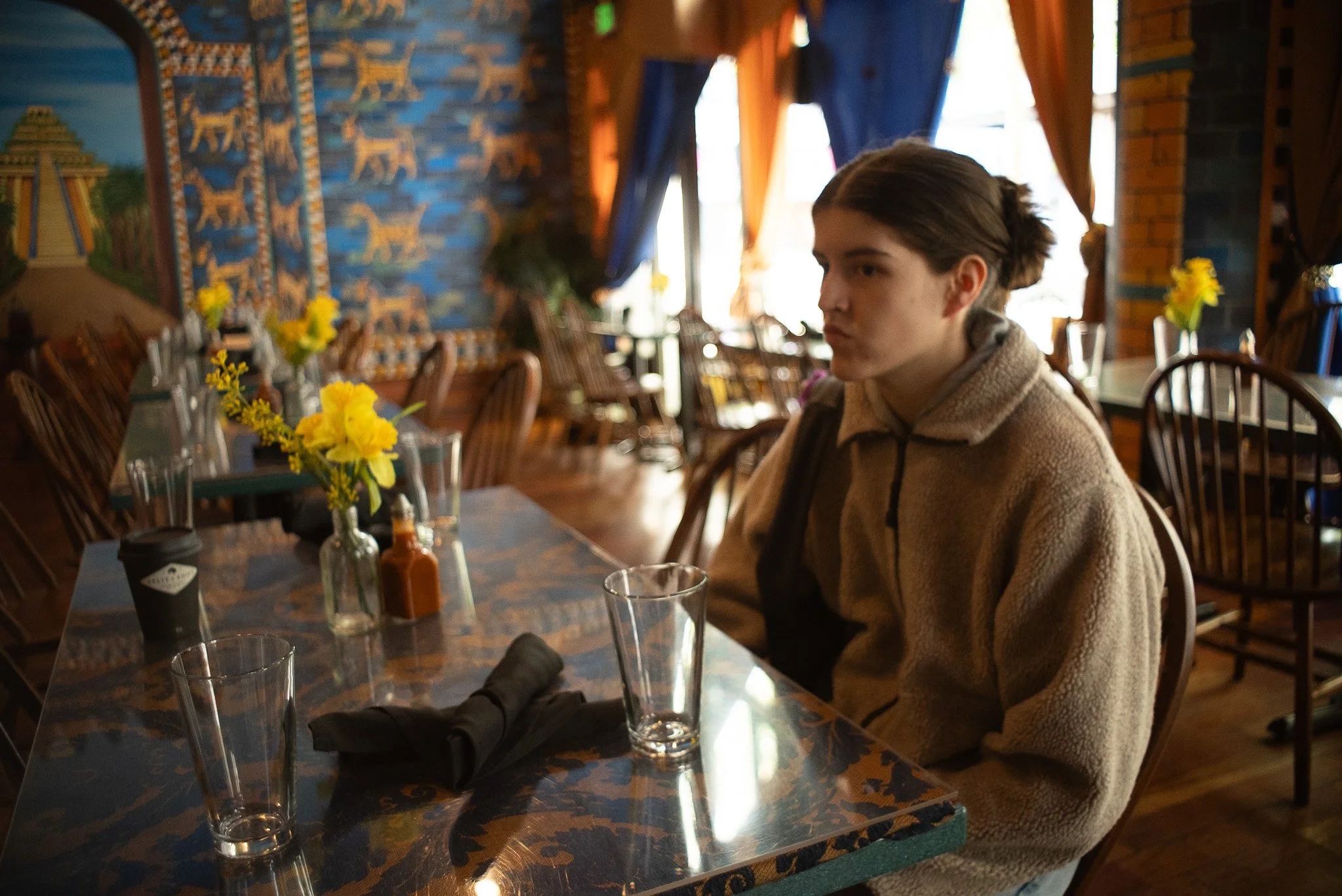
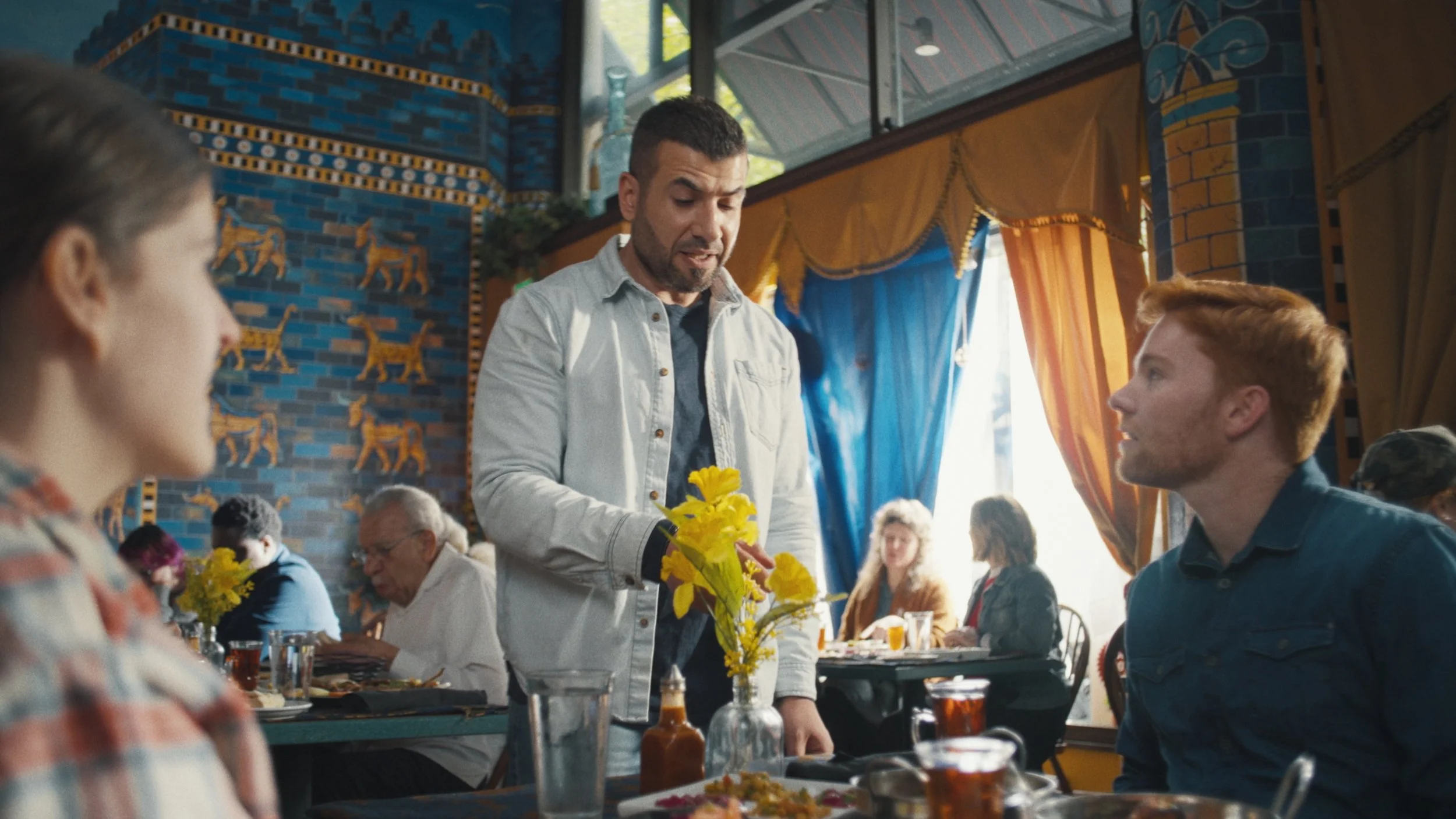
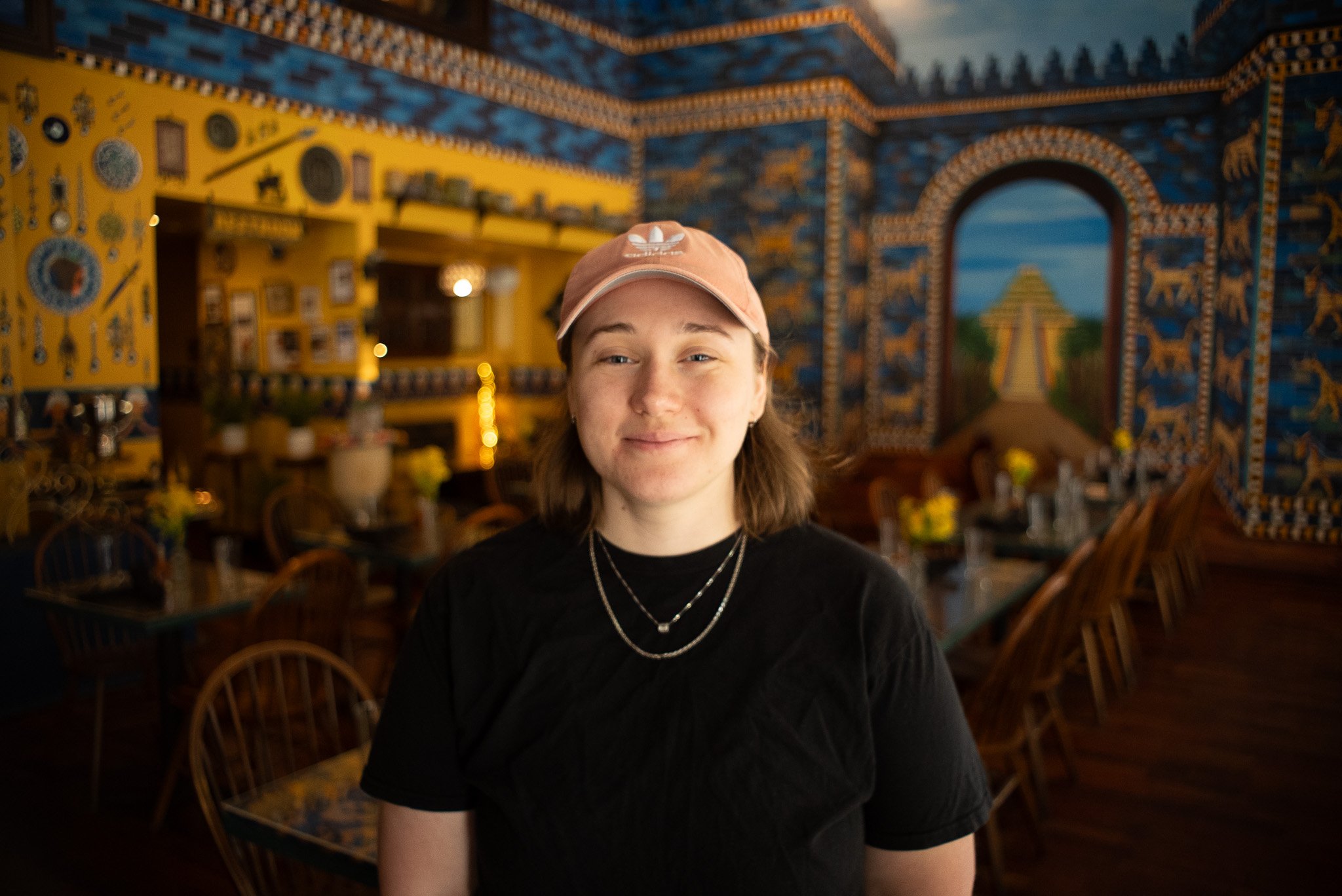
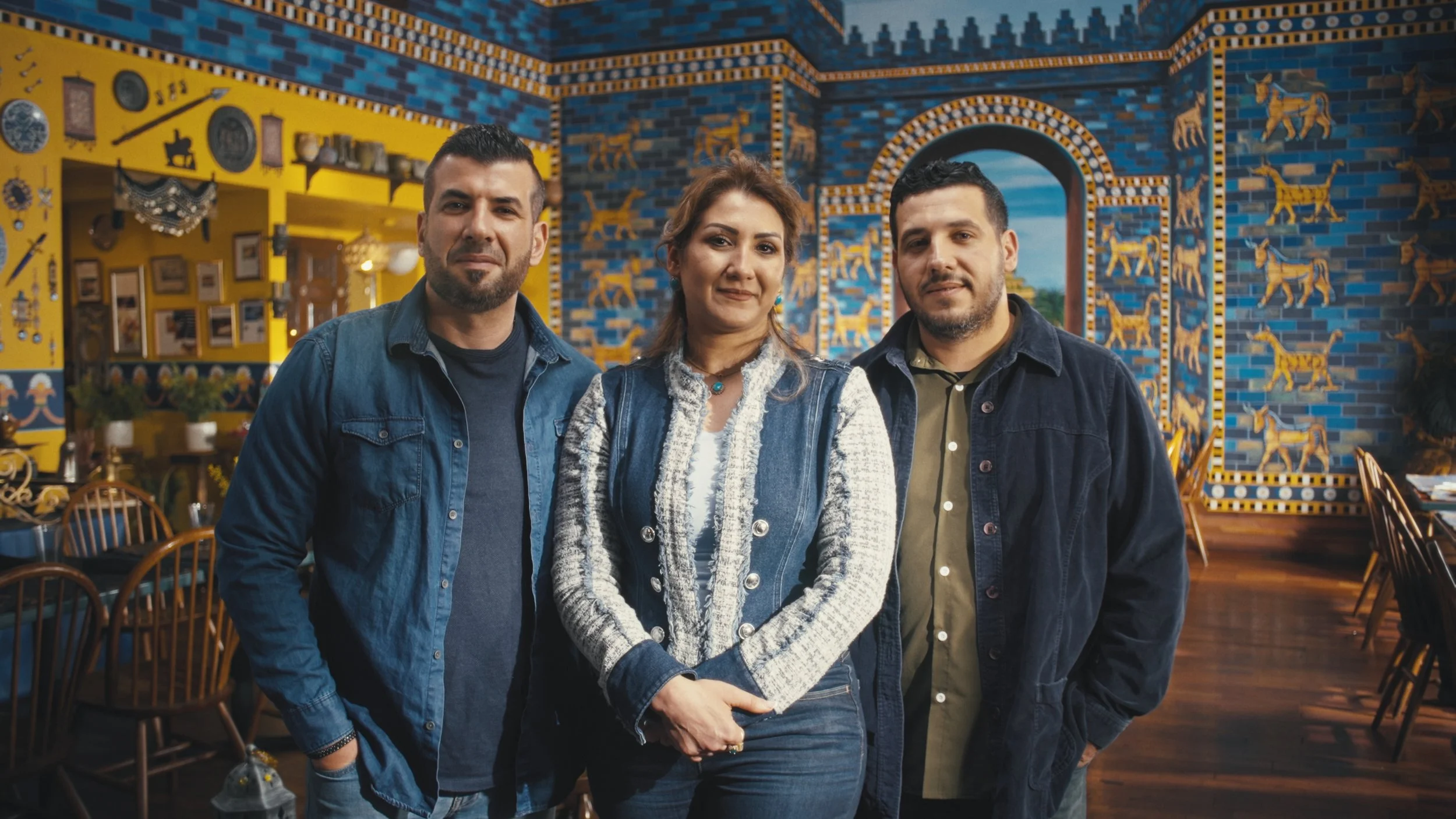
The “before” images represent early concepts and visual references we explored during pre-production. The “after” frames show what ultimately made it into the final piece after evaluating story, timing, and production priorities.
This process is a reminder that filmmaking is not simply about capturing the most visually complex imagery possible. It is about making thoughtful creative decisions that best serve the story.
Great commercial filmmaking is not about shooting more. It is about choosing the right shots.
At Honeybee Films, we believe the strongest productions come from intentional storytelling, efficient collaboration, and understanding how narrative, schedule, and budget all work together.
