
Most non-profits do not need another video
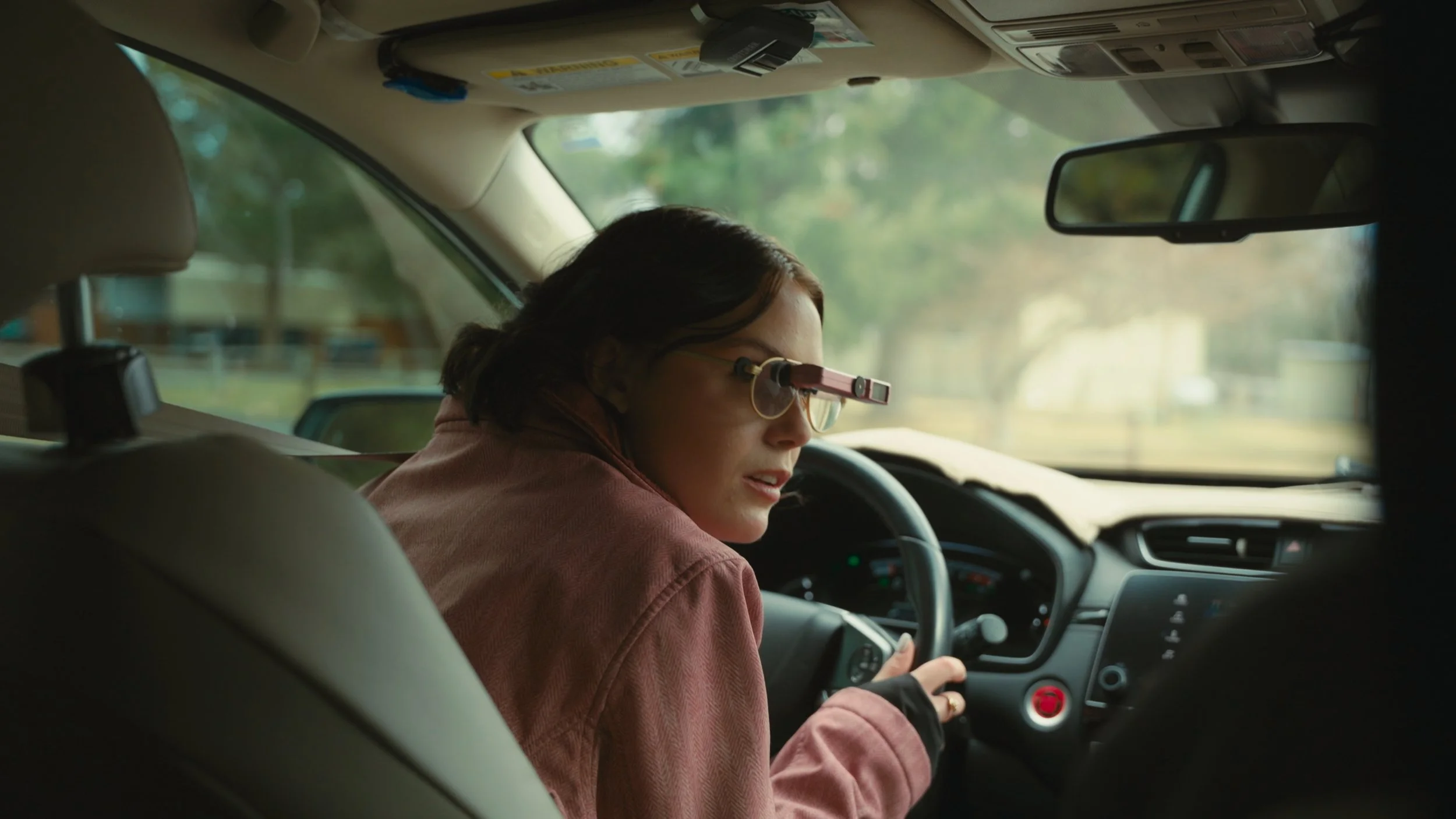
We have all been at that fundraising event. The lights dim, a video begins, and within seconds the room drifts. People are on their phones. Conversations continue. Attention slips away before the first thirty seconds can pass. Hundreds of people are present, yet the one piece of content meant to move them is ignored.
This is not because people do not care. It is usually because they have seen this version of the story before.
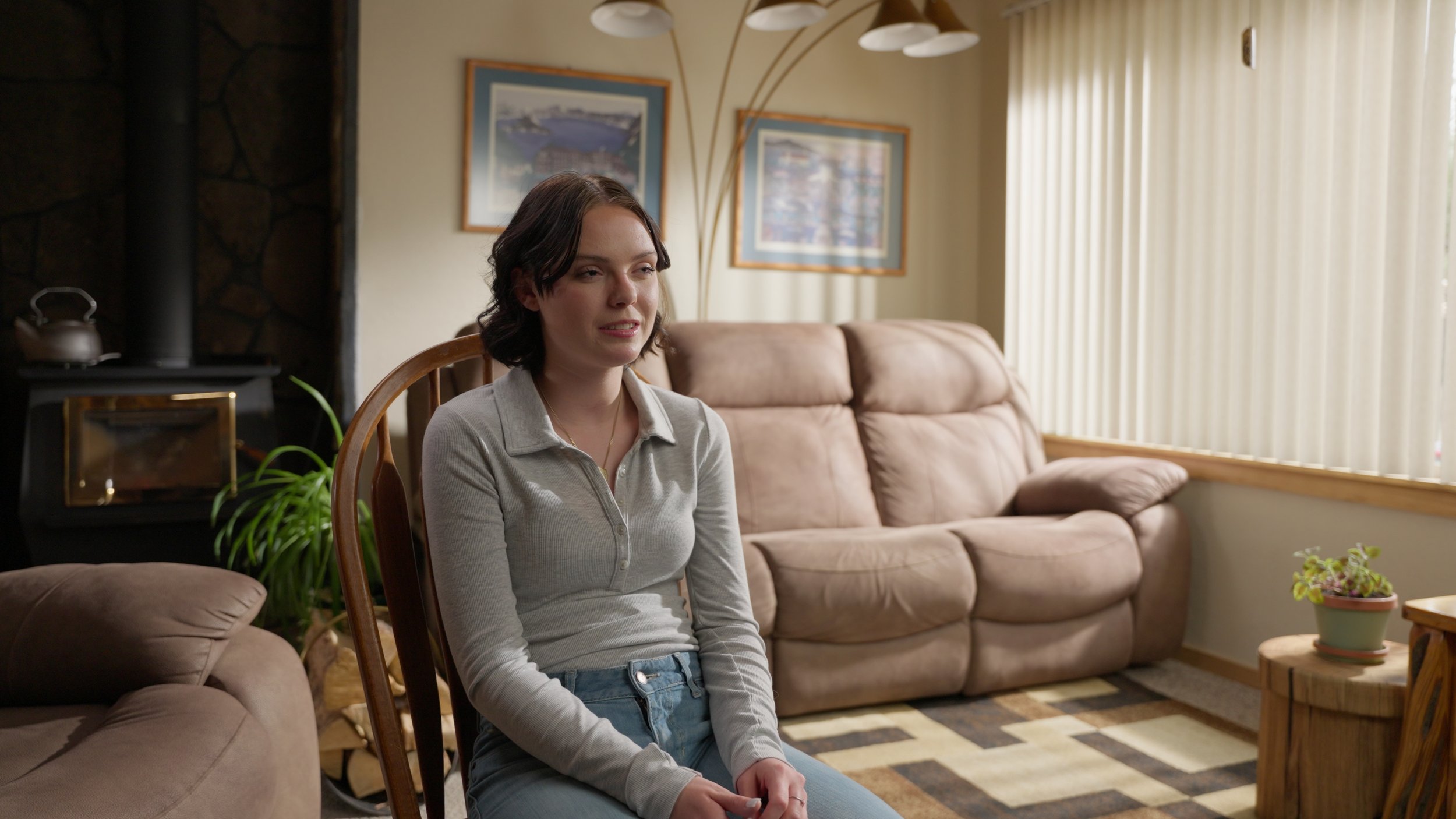
The organization overview. The mission statement. The impact statistics. The same message, repeated year after year to the same donors who already understand what you do. These are thoughtful, intelligent supporters. They can quickly tell the difference between something that is meaningful and something that is simply filling time.
What I hear often from Executive Directors is a desire to create a new video for their annual gala. But the direction tends to sound familiar. Another overview or recap.
The truth is, your audience does not need to relearn your organization every year. That information already lives on your website.
What they cannot experience there is a human story that makes them feel something.
The most effective videos for non-profits are not about the organization. They are about a person, and how a single life that has been changed.
Yet many organizations are sitting on a wealth of stories that are barely engaged with.
When a non-profit shifts its focus from presenting information to a participant’s story, then… we’re playing with hot grease!
People begin to connect, and fundraising becomes a bit more impactful because their emotions are engaged. They feel it rather than hearing it.
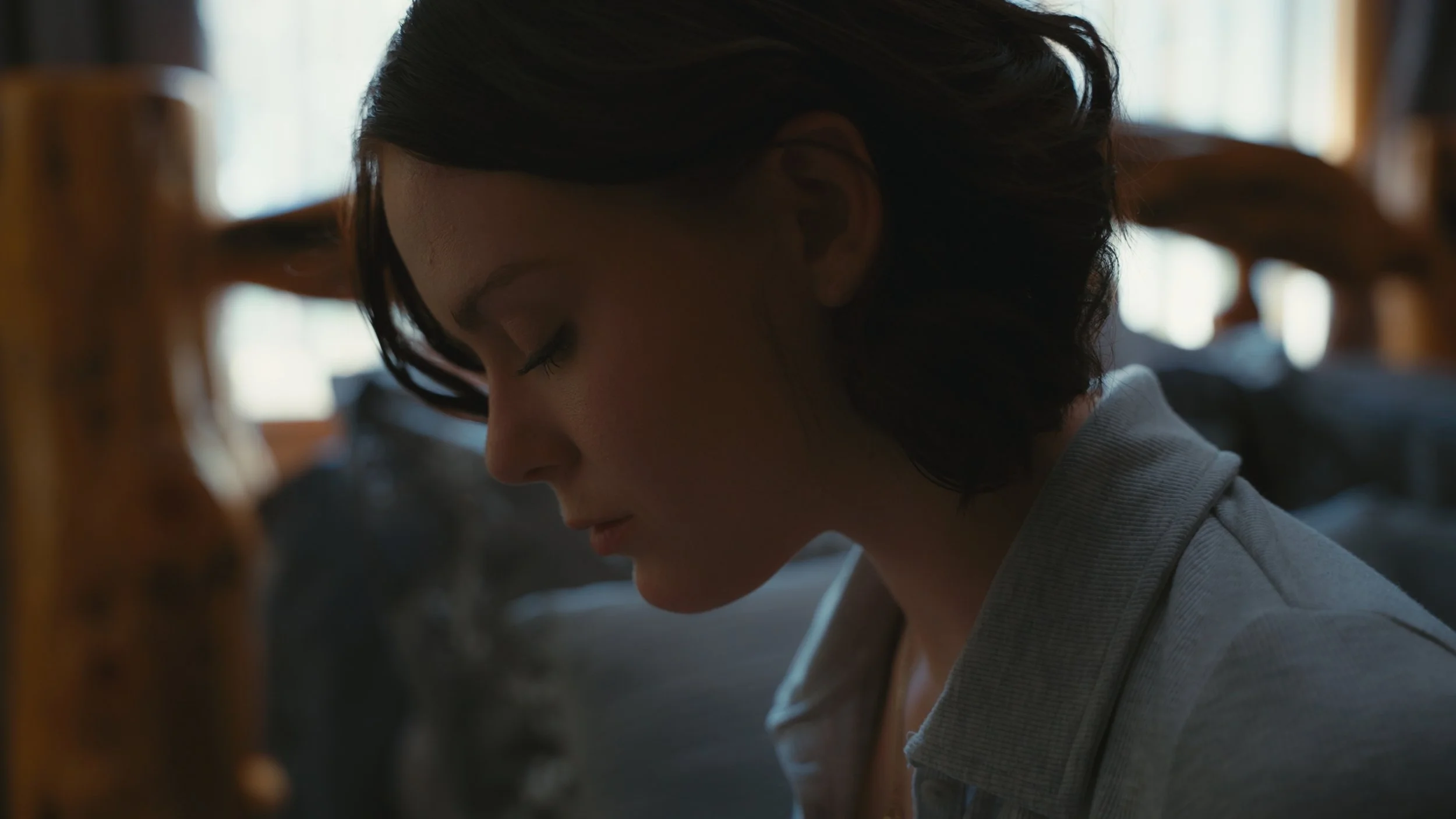
Problem: Last fall, the Oregon Lions Sight & Hearing Foundation approached me to help tell the story of one of their program participants, Laila. They had created videos in the past, but this time they wanted to intentionally tell her story with care.
Laila’s story is powerful. She grew up with severe vision challenges. For most of her life, something as simple as driving felt out of reach. While her peers gained independence, she was left with only a dim miracle to occur.
That emotional tension is where the story begins.
Perspective Change: Too often, non-profits position themselves as the hero. But the truth is, the participant is the hero. Every person who enters your program is on their own journey. They have desires, obstacles, and moments of doubt. Your organization plays a role, but it is not the center of the story.
When we approached Laila’s story, we focused on her experience & what common questions she would ask herself. What did she want? What was she afraid of missing out on? What did independence mean to her?
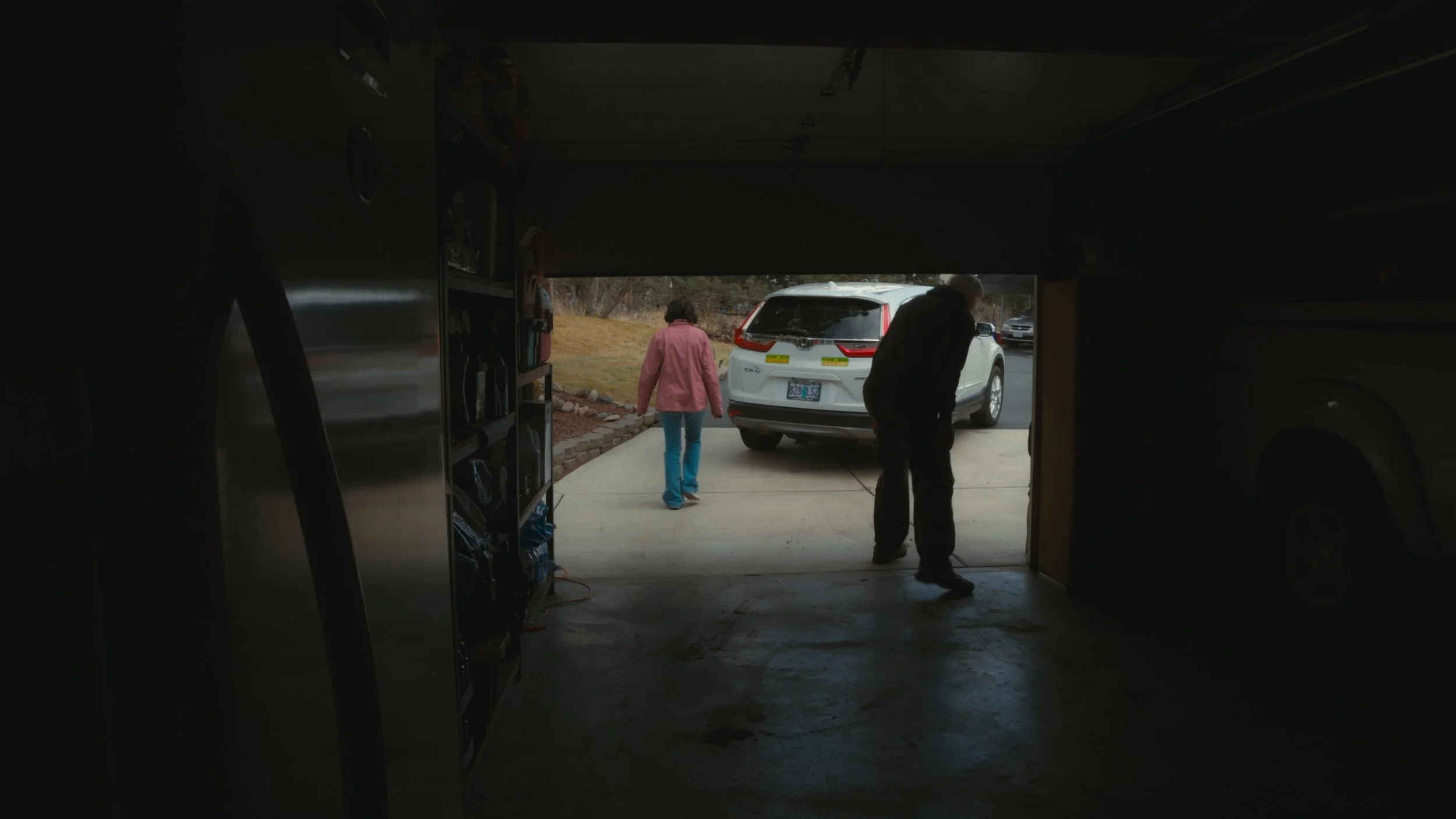
For Laila, it was the feeling of being left behind as her classmates learned to drive. That loss of independence is deeply relatable, especially during adolescence. By grounding the story in that emotion, the audience is invited into her world.
Then comes the turning point. Through the right training and support, she discovers that driving might actually be possible. That shift from limitation to hope is where the story comes alive.
You can feel it.
That is what video is meant to do.
We were intentional about how we introduced the organization. Instead of leading with information, we kept it minimal and precise. A few lines of text. A short explanation from a program lead. Just enough to provide context without pulling focus away from Laila.
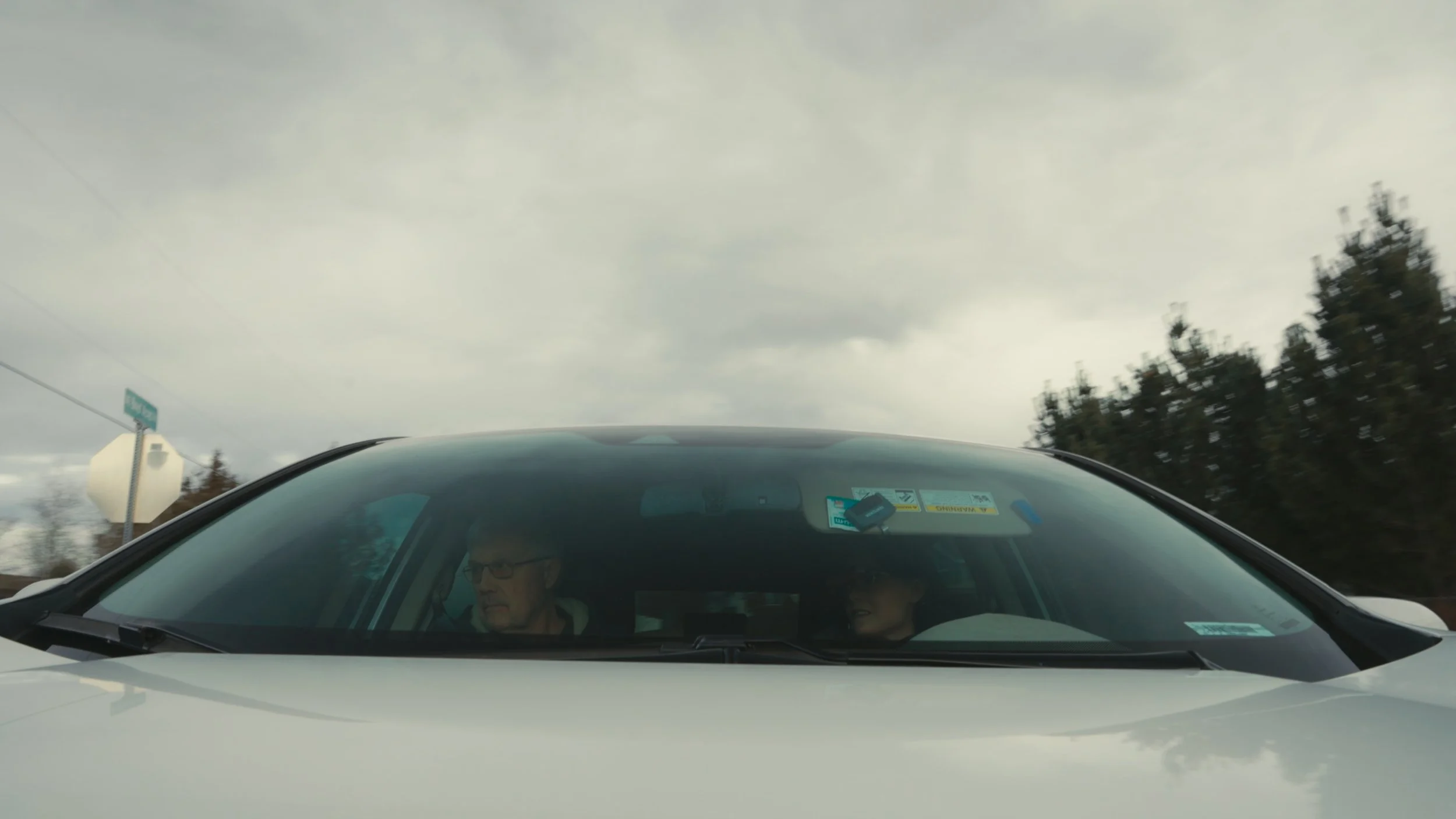
Every second in a video matters. Every moment spent explaining information has the chance of disconnection.
When you place the participant at the center and allow their story to unfold, your organization’s impact becomes clear without needing to over-explain it.
People do not remember statistics. They remember how something made them feel.
If your goal is to create a video that truly moves your audience, the answer is not to say more. It is to say less and feel more.
Tell one story. Tell it honestly. And let your audience feel it for themselves.
We thank you for reading this article & if any of this resonated for your organization we’d love to have a conversation on how we might be able to tell you non-profit’s story! You may email Jonathan Lue at Jonathan@honeybeefilms.us to begin the conversation.
